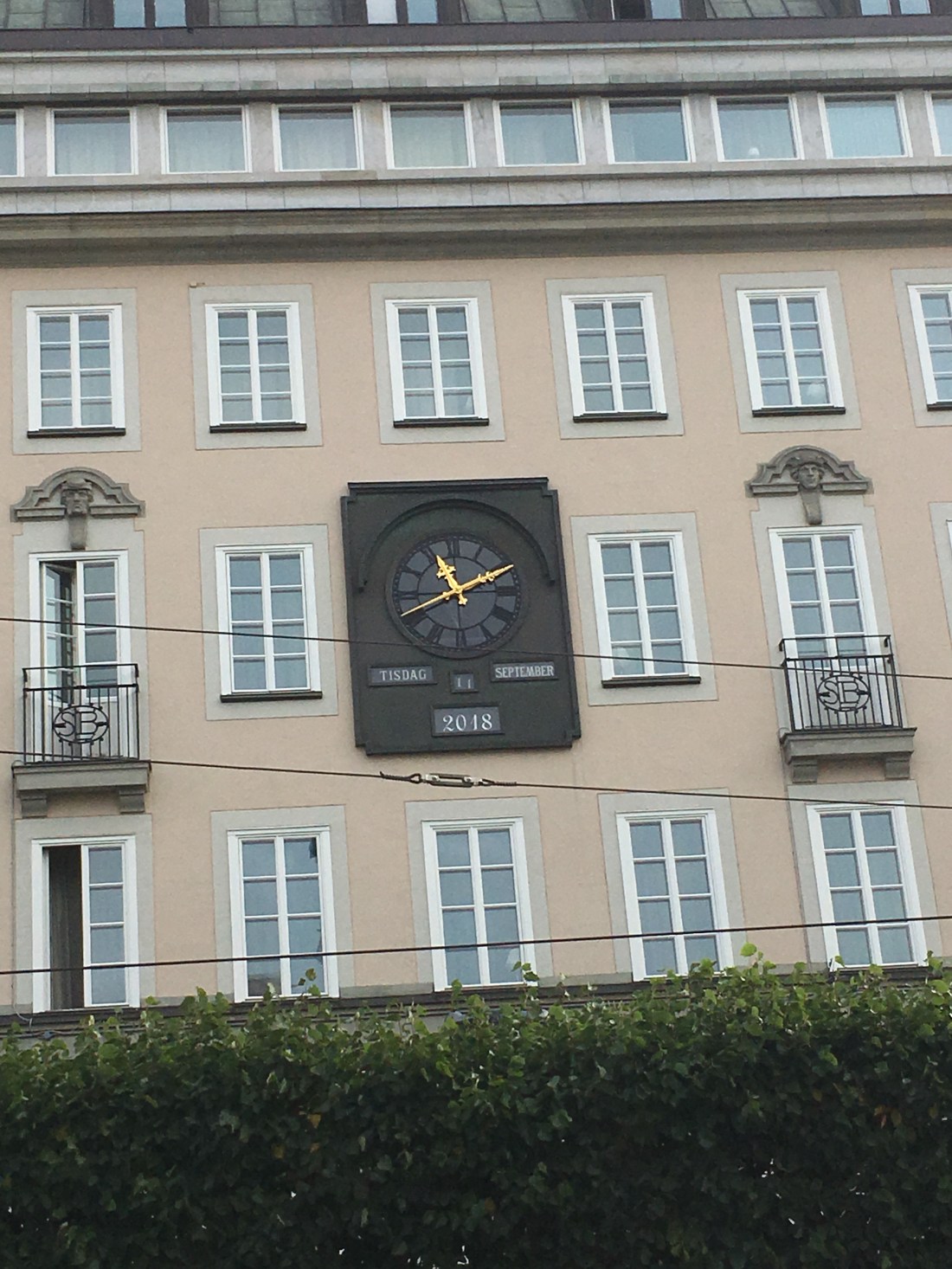
Third Day in Stockholm

The Vasa Museum

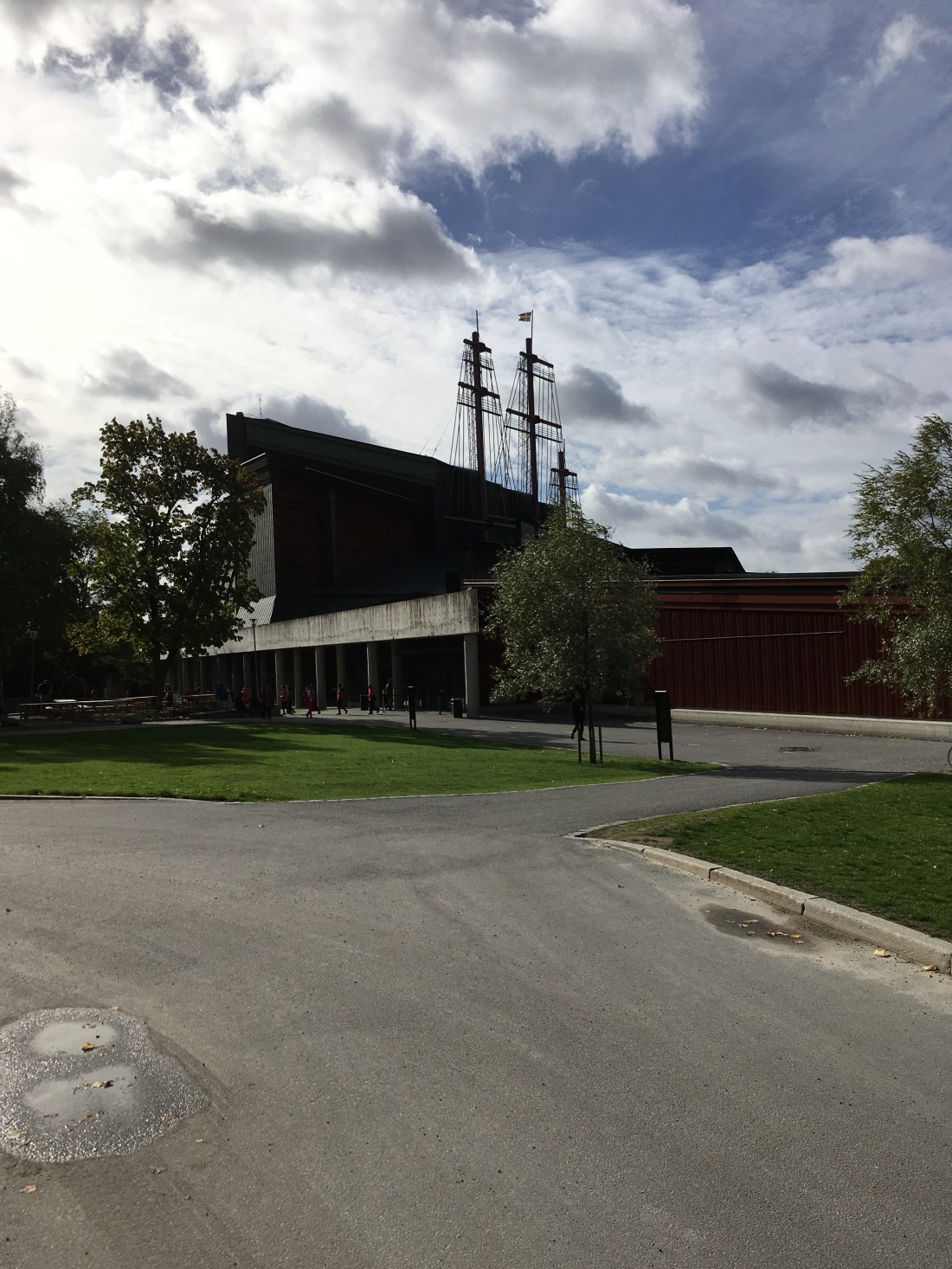
This is the Vasa Museum.
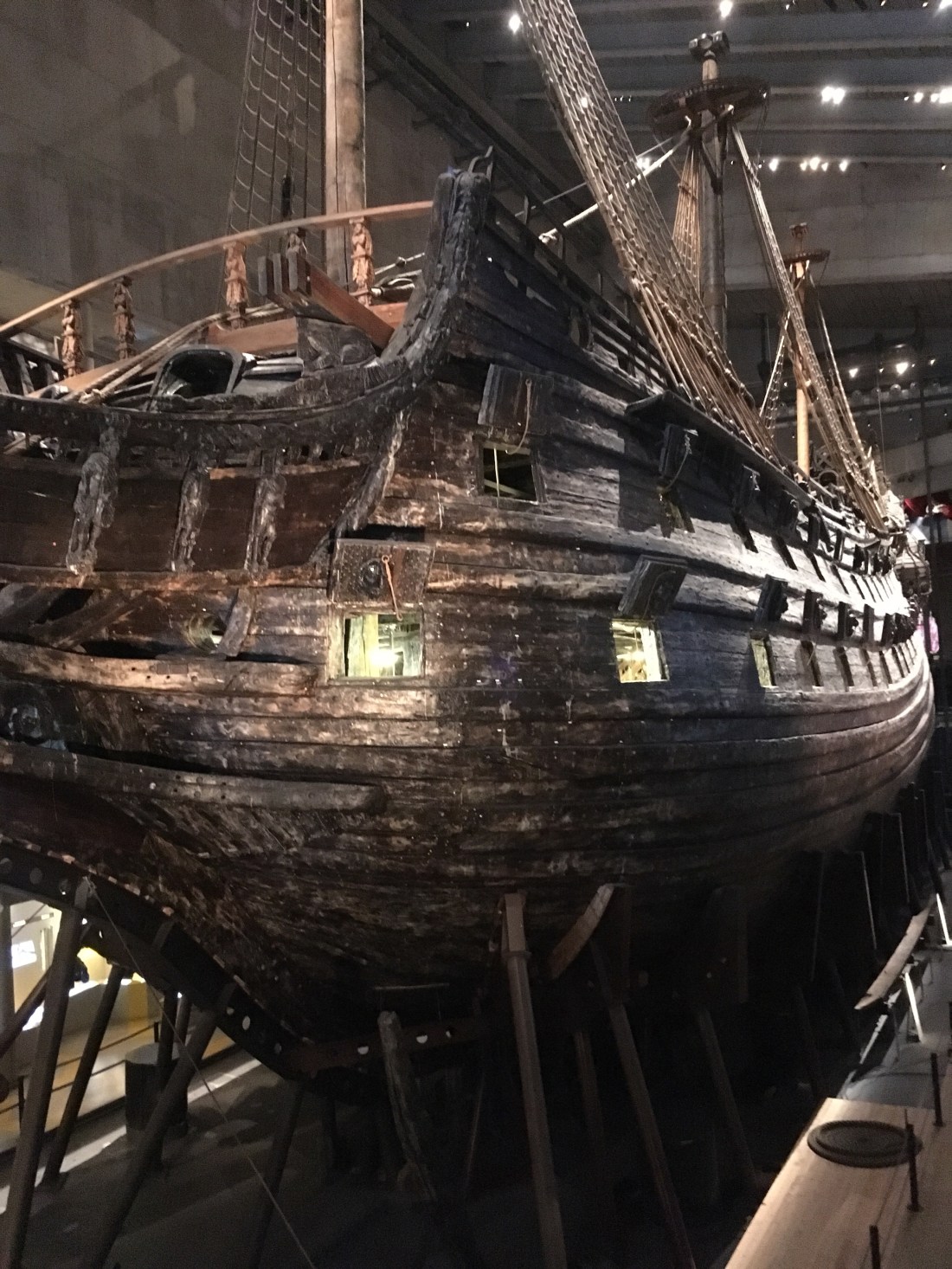
This is the Vasa.

You remember King Gustav II from yesterday’s post. He led the Protestant forces to victory against the despised Catholics in the Thirty Years War. He was Sweden’s greatest king and was largely responsible for Sweden becoming a world power. After he died his daughter ruled Sweden as the Protestant Queen Christina. After twelve years of being Queen, she got tired of the steady diet of pickled herring and Swedish meatballs at the castle. She abdicated the throne, converted to Catholicism, hauled all the art, jewels and furniture out of the castle and loaded them onto a fleet of nine ships and sailed to Rome, where she learned to cook a mean bolognese sauce and lived happily ever after. Not exactly something that is causing King Gustav II to say with pride: “That’s my girl!” At least the Danes got a good chuckle out of the whole affair.

So King Gustav II did not have an entirely unblemished record even before we consider the Vasa. Vasa is the name of King Gustav’s family dynasty. The King decided to build the world’s biggest most heavily armed ship of war and name it the Vasa. Sounds like a good idea so far. He hired a Dutchman to build the ship and this Dutchman was so confident in his inherent shipbuilding prowess that he refused to draw up plans for the ship. He decided to wing it and figured everything would work out in the end. The shipbuilder died halfway through construction and his wife, who now owned the shipyard, had to hire another shipbuilder to finish the job. So far, not so good. While this is going on King Gustav is in Poland fighting the Poles. It seems like someone is always fighting the Poles. Anyway, King Gustav can’t mind his own business, fighting the Poles, and tried to micromanage the construction of the ship from Poland, never mind the fact that he knows nothing about building a ship.

The Vasa is completed in 1628. With great fanfare this mighty ship left the dock, sailed for 20 minutes, and after covering only 1000 yards a slight breeze blew it over and it sank. This established a world record for the shortest maiden voyage that stands to this day. A court of inquiry could not figure out why the ship sank. They must have missed the fact that the the gun ports were right at the waterline. If the ship heeled over just a little bit, water would come cascading in through the open gun ports and sink the ship.

In 1971 the Swedes found the ship at the bottom of the harbor in Stockholm. If I were the Swedes I would have left it there in the hope that the whole Vasa debacle would at some point be forgotten. Instead, they spent hundreds of millions of dollars raising this symbol of Swedish shipbuilding ineptitude out of its watery grave, preserving it for posterity and building a wonderful museum to house and display it. Bravo Sweden!

If you want to see a Swede get red in the face just mention the maiden voyage of the good ship Vasa. If you want to have a good laugh with a Dane, do the same.

Sara and I spent three and a half hours at the Vasa Museum. Definitely time well spent.

When we got out of the museum we were starved. We found a nice restaurant at a boat harbor and enjoyed a leisurely lunch. Sara had hake, which is like halibut, and I had roast lamb, which is like roast lamb. After lunch we took a long walk along the shore and then took a streetcar back to the hotel.

Dinner

We decided to give the tapas place that I mentioned in yesterday’s blog post, STHLM Tapas, another chance and we are glad we did. It was soooo good!
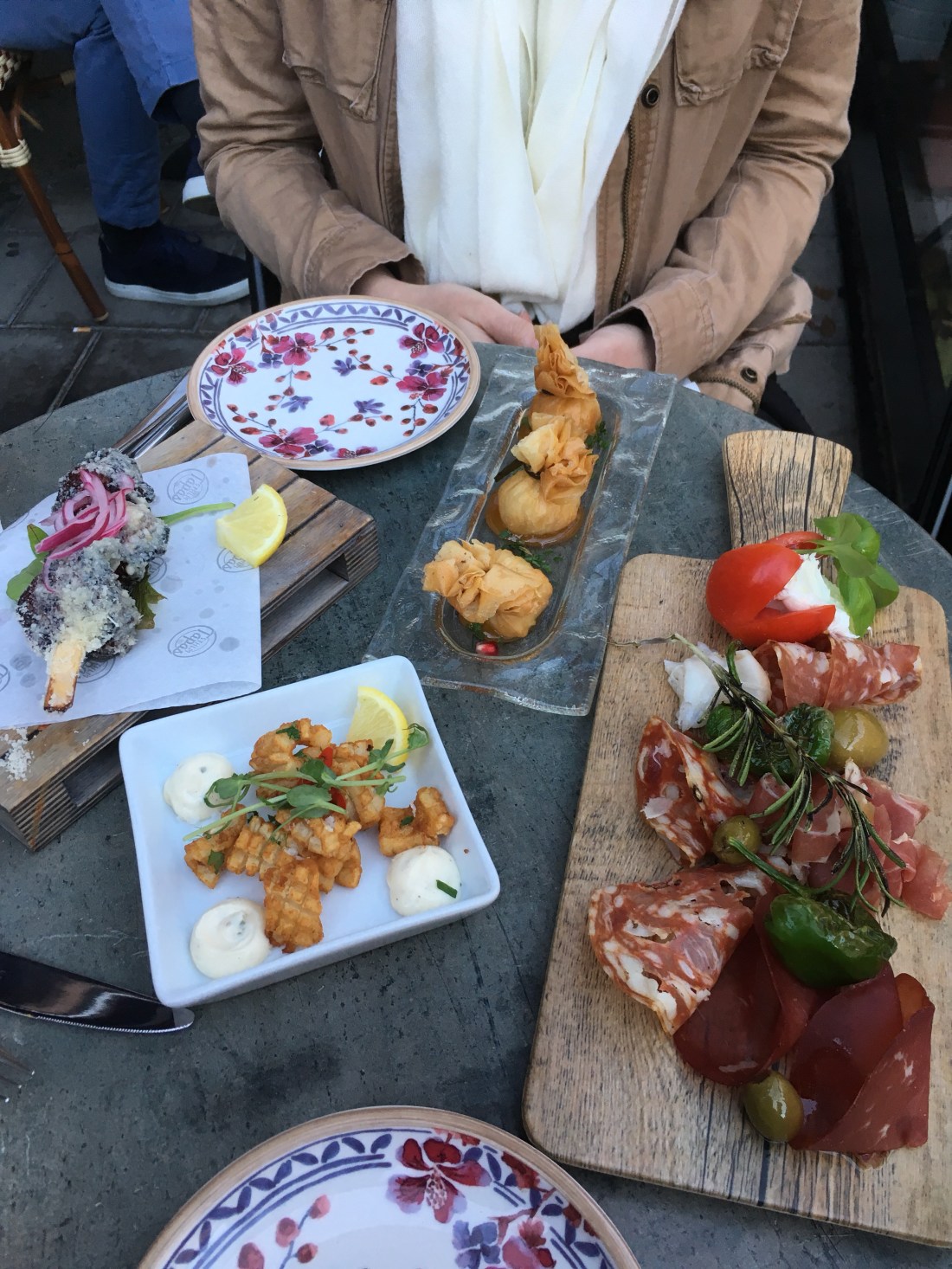
We had goat cheese, scampi, lamb chops, dates wrapped in bacon, fried dumplings, crayfish, calamari, portobello mushrooms and charcuterie. All small tapas portions so not a great deal of food but all these dishes were a treat for the taste buds.

I hope everyone had a good day today.

Goodnight from Stockholm.

Second Day in Stockholm

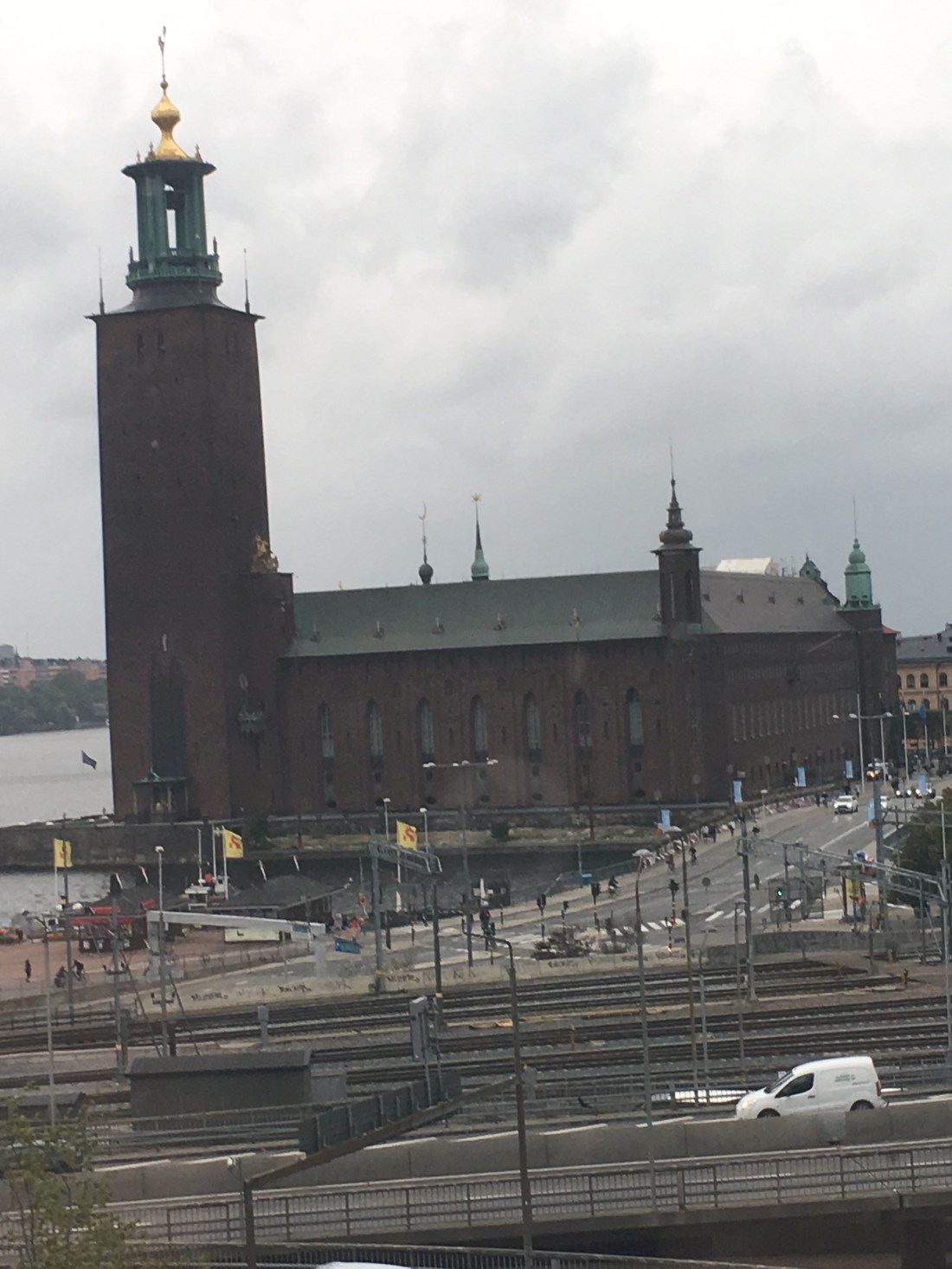
Not a castle near the central train station. Actually, it is the old city hall. Stockholm is a lot like Springfield, three city workers are leaning on shovels while one city worker is digging a hole.

Walking tour of Stockholm

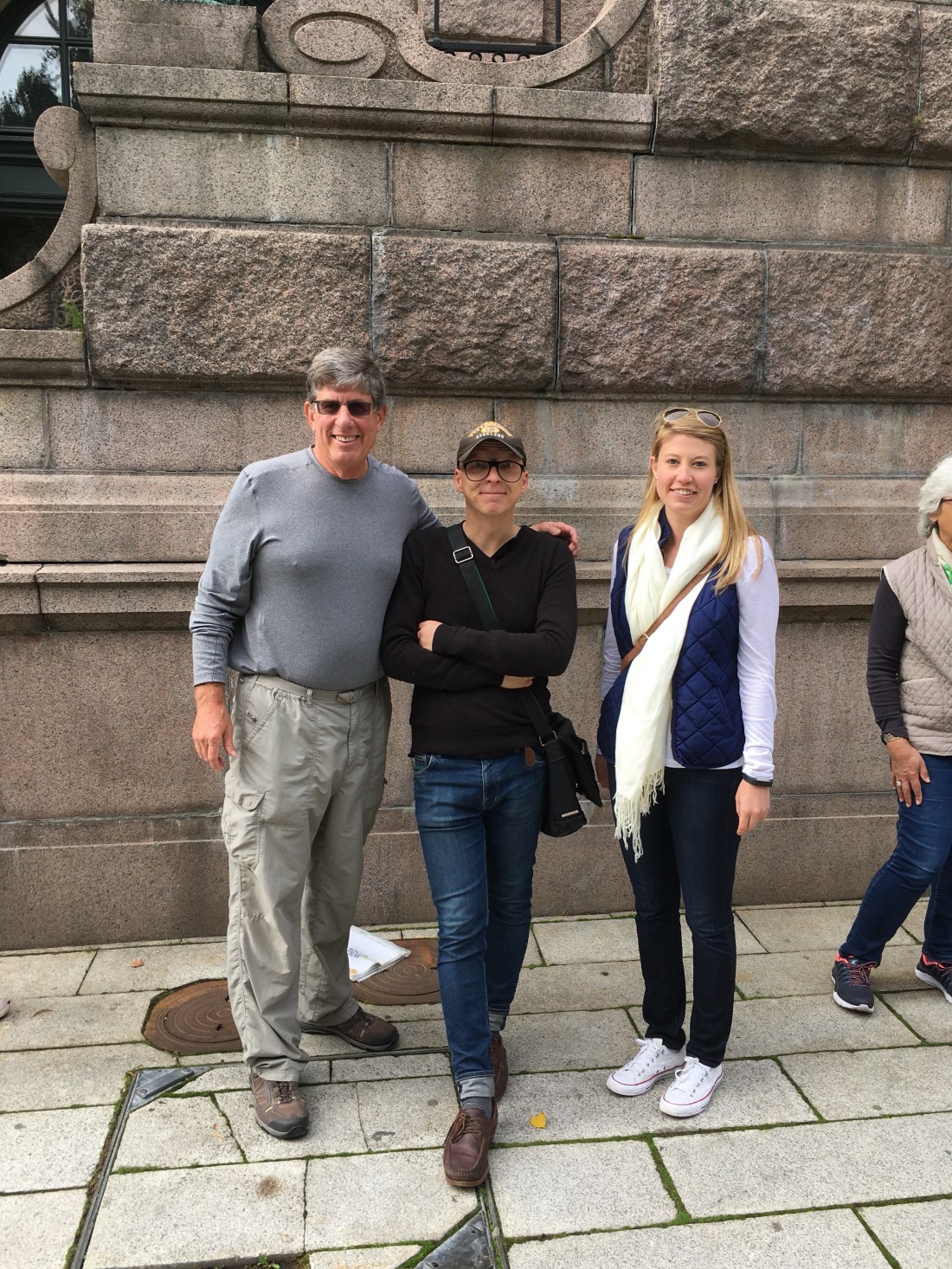
This is Mark, our tour guide Ben and Sara.

Ben was the best tour guide . He spoke in a loud clear voice that you could hear and understand and he made an effort to make the tour educational and entertaining.

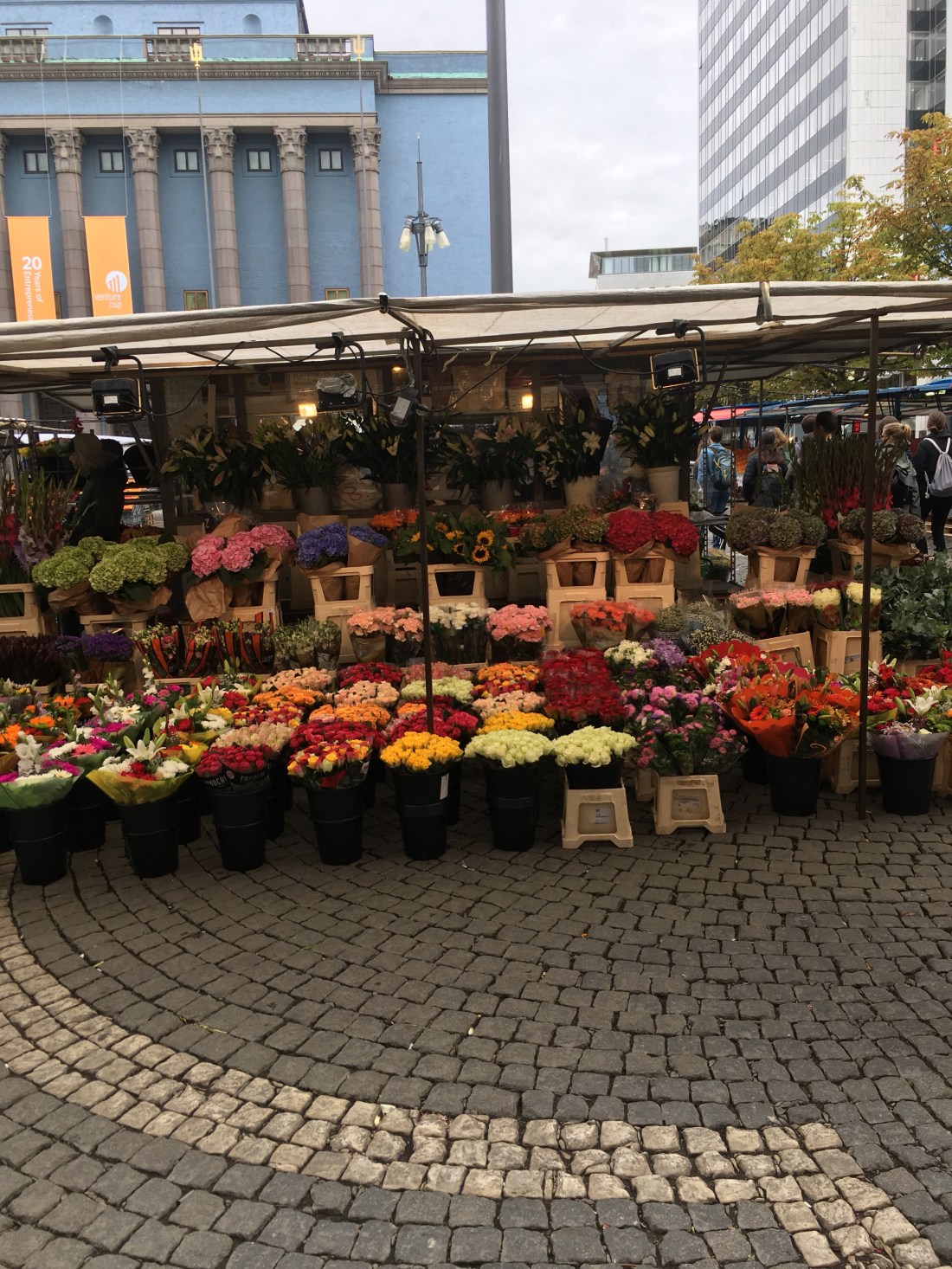
Outdoor market where they sell flowers, fruits and vegetables.

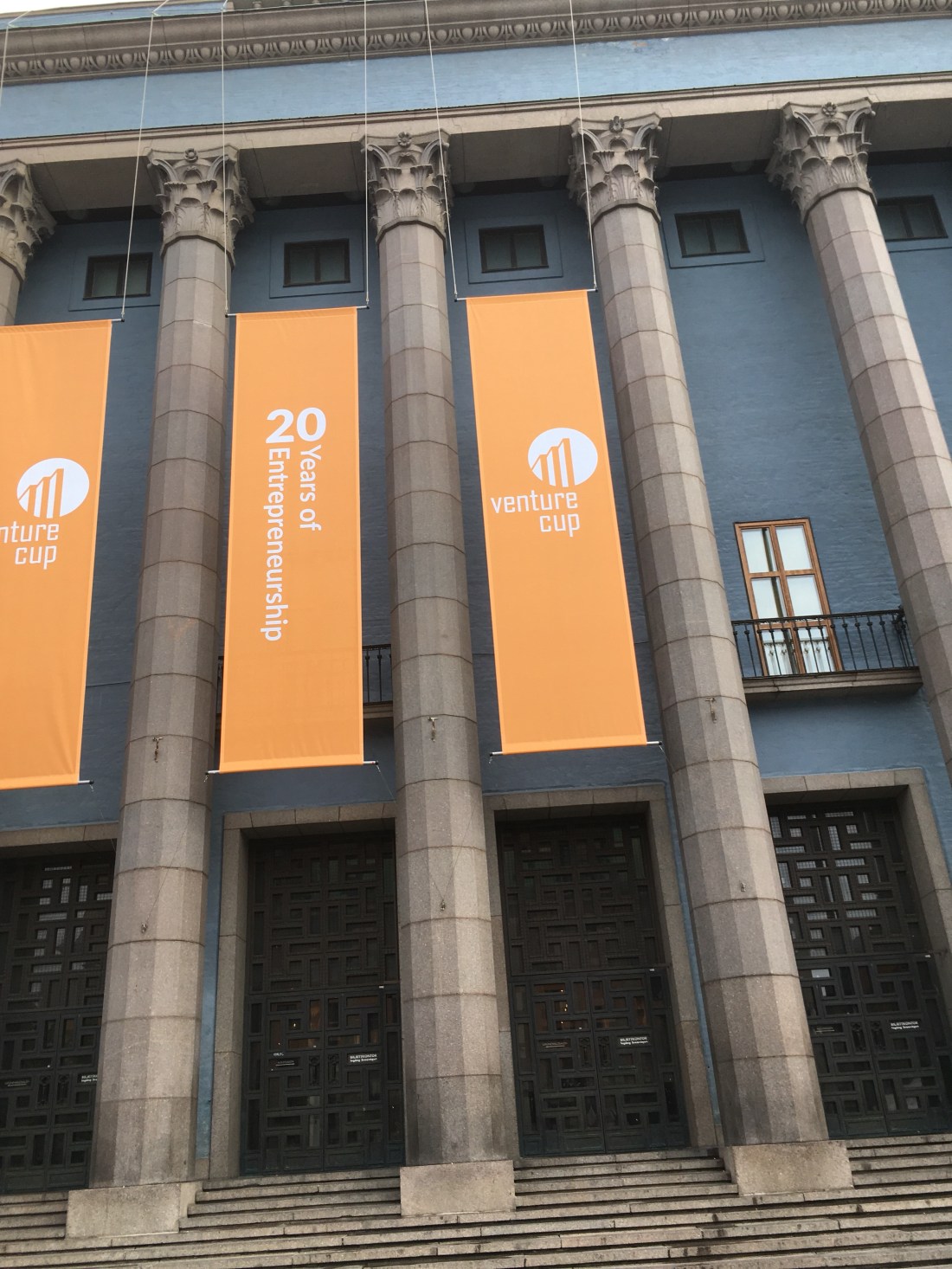
Building where they award five of the six Nobel prizes. The Nobel peace prize is awarded in Oslo.

This is the bank building where the term Stockholm Syndrome originated. A bank robber took hostages who grew very fond of the bank robber and testified on his behalf at his subsequent trial. He was convicted and served a seven year jail sentence. He subsequently got married and two of the hostages were guests of honor at his wedding.

The world headquarters for H & M.

Lunch

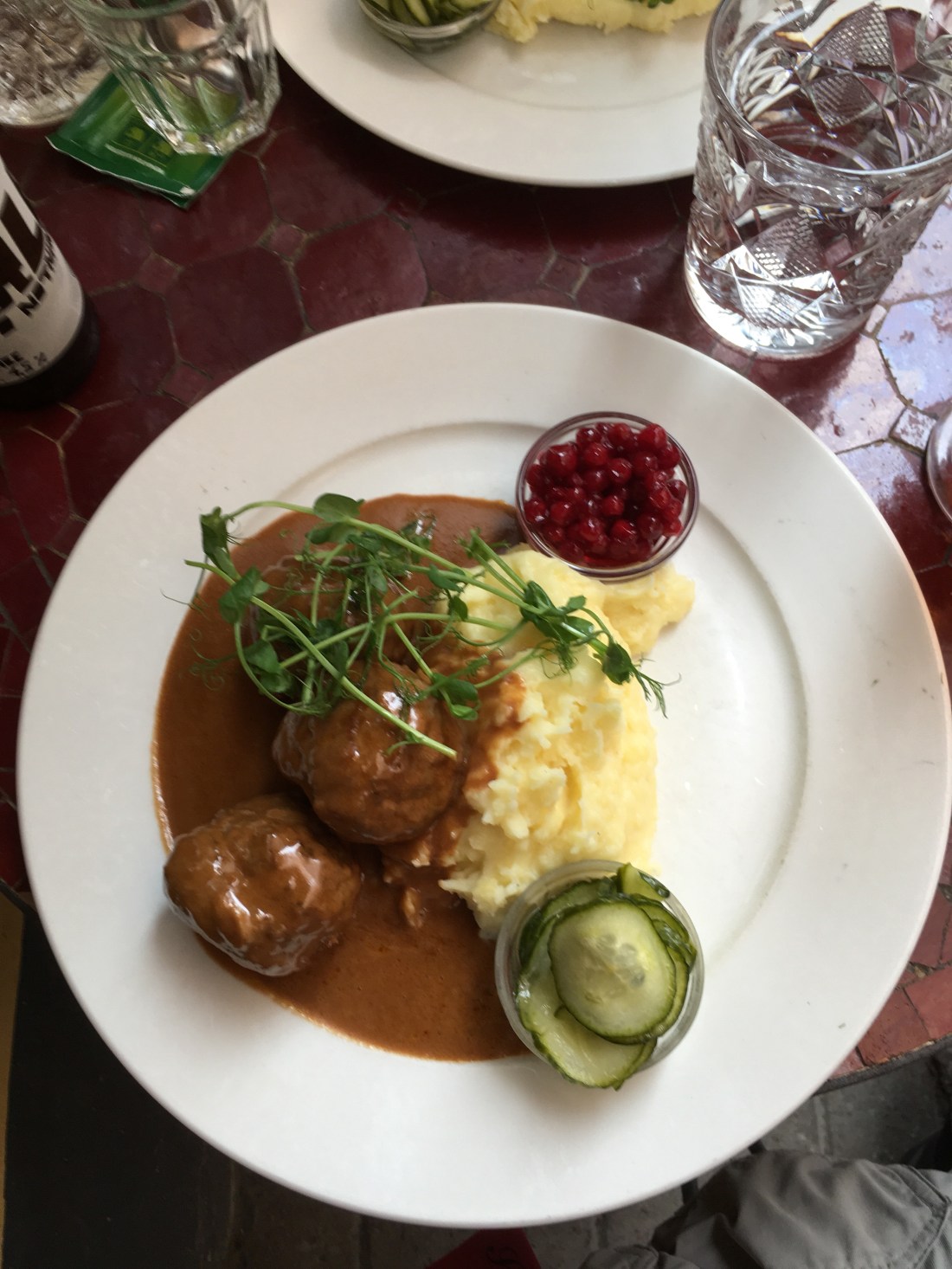
We are in Sweden so of course we had to have Swedish meatballs, mashed potatoes and lingonberries for lunch.

The Royal Palace

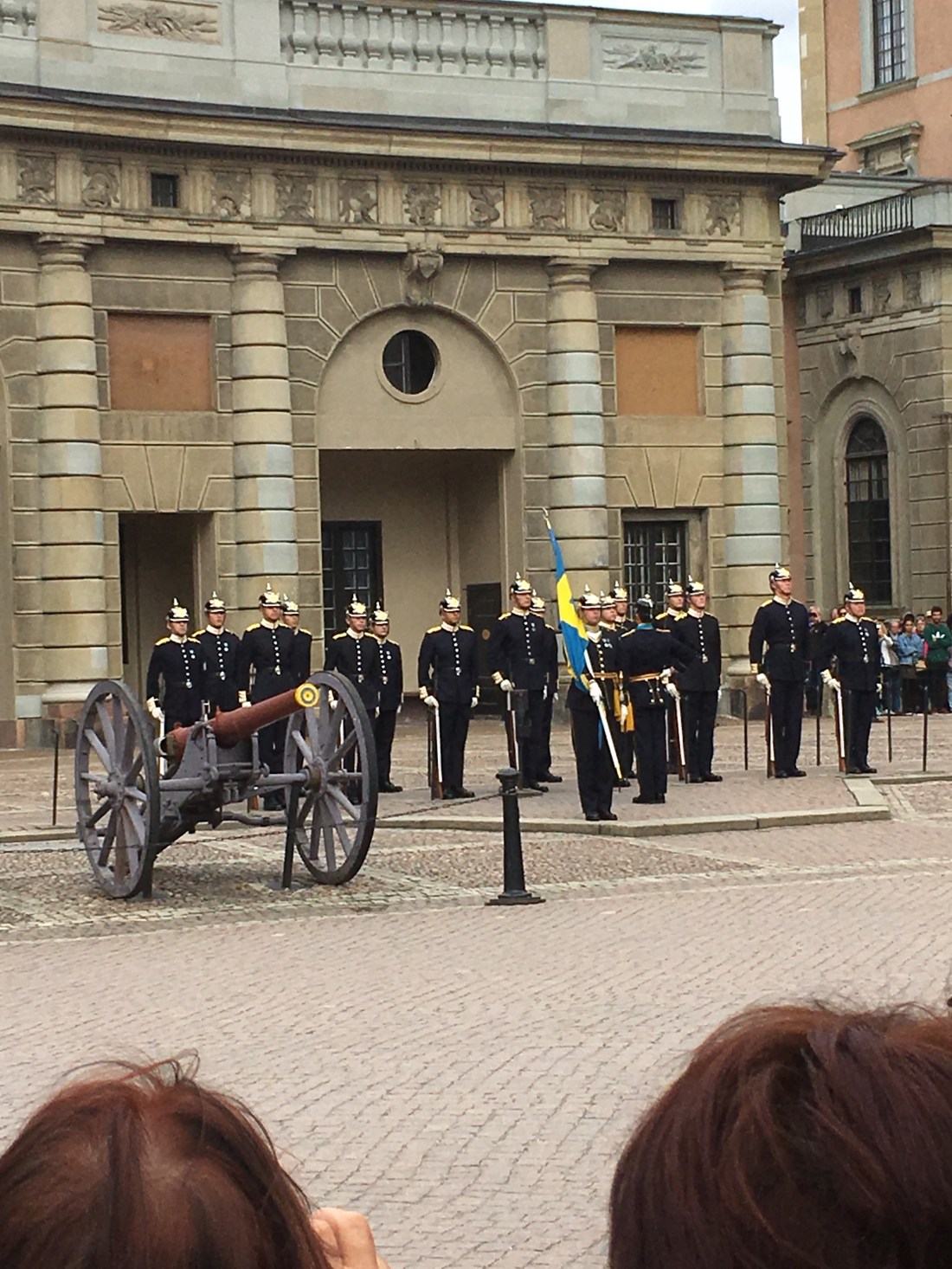
This is the changing of the guard at the Royal Palace. This is a 600 room palace. You would think they would need more than sixteen guards. They are much more efficient at the Palace than at City Hall. No feather bedding at the Palace.

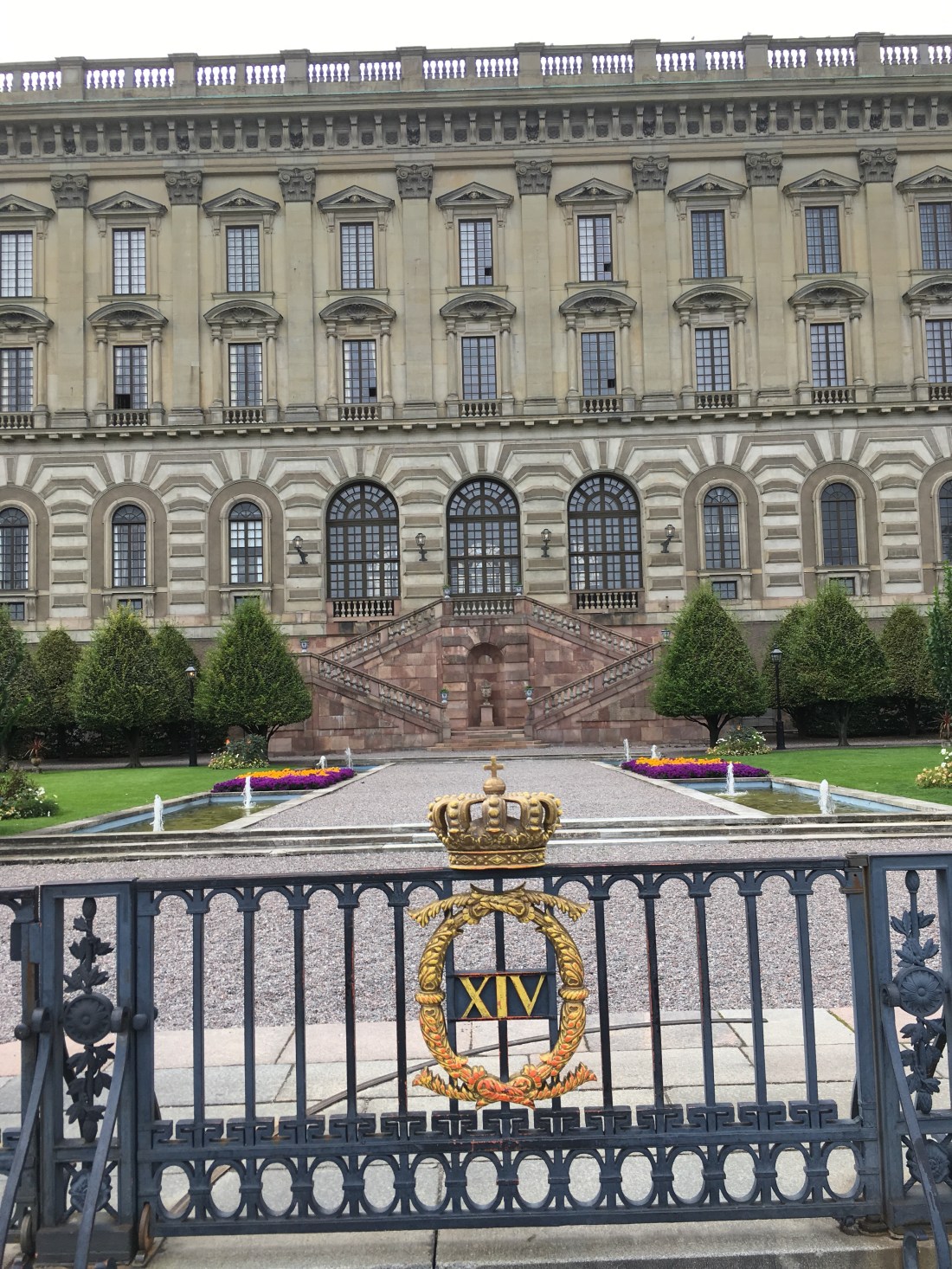
Entrance to the Royal Palace.

Sara and I took a guided tour of the royal apartments. Not like any apartment I’ve ever lived in. The king and queen don’t even live here. They have eight castles spread out all over Sweden. They live in a castle outside Stockholm with a park and playground for the kiddies.

We then toured the royal armory and the royal treasury where they keep the Crown Jewels.

Sweden has had some noteworthy kings and queens.

King Gustav II or King Gustavus Aldolphus ruled Sweden in the early 1600s. He laid the foundations for the modern Swedish state and made Sweden a major European power. King Gustav II led the Protestant forces against the despised Catholics in the Thirty Years War. He died on the field of battle in 1632 and his daughter, Christina, became queen of Sweden. Christina was a little bit of an odd duck. She never married and many people thought she was actually a man. After being queen and head of the Protestant Church in Sweden for 22 years, she grew tired of the cold Swedish winters and the severe nature of the Protestant Church. She abdicated the throne, converted to Catholicism and decamped to Rome where she enjoyed the mild Roman winters and the drinking and gambling that goes on any time a group of Catholics get together to celebrate anything.

I imagine that her father is still spinning in his grave.

Stockholm Cathedral

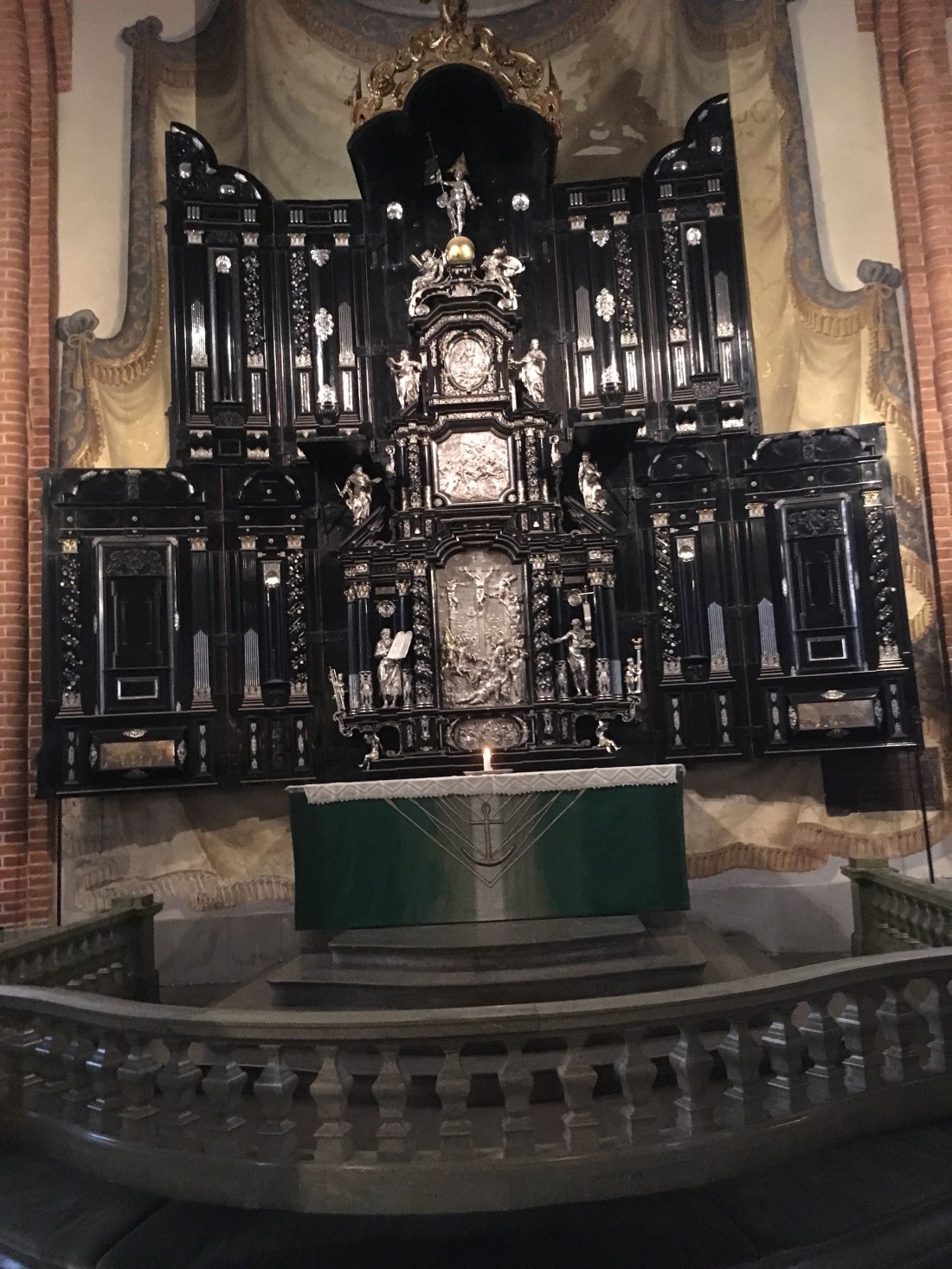
Altar at the Stockholm Cathedral. It is made of ebony and silver.

Dinner

We took a bus to a neighborhood near the Karolinska Institute to eat at a tapas restaurant. It was closed. Apparently the owner went to Barcelona for some sort of surprise. We couldn’t get a table at a tapas place a couple of blocks away. We finally found a tiny pizza place with a wood fired oven that made great pizzas.

That’s all for today.

Goodnight from Stockholm.
Fifth Day in Krakow and First Day in Stockholm

Today Sara and I got up, had breakfast and took a taxi out to the Krakow airport. We are now on a Norwegian Air plane to Stockholm, a two hour flight.

Impressions of Poland and Krakow

Poland has had a difficult time in the last 225 years. Before 1795 Poland was a proud and independent state in Eastern Europe. The largest salt deposit in Europe was just outside Krakow and salt was as valuable as silver. One of the Polish kings was called Wadyslaw the Short. I assume you only called him that once and then it was off with your head.

In 1795 Poland was partitioned between Austria, Prussia and Russia.

After 1785 Poland ceased to be a country until it was recreated in 1918 in a provision of the Treaty of Versailles. In 1939 Germany invaded Poland from the west and Russia invaded Poland from the east. At that time Poland ceased to exist and became a province of Germany. The Germans treated Poland and the Polish people very poorly. In 1944 the Russians invaded Poland to secure a path to invade Germany. Both invasions devastated the Polish cities and countryside and killed many of the Polish people. The Warsaw Uprising almost completely destroyed this bustling prosperous city.

After WW II the Soviet government claimed Poland and other Eastern European countries as their conquered territories. From 1945 until approximately 1989 Poland was a much abused vassal state of the Communist Soviet Union. Lech Walesa and the Solidarity Movement courageously fought for a free and independent Poland. In approximately 1988 Poland gained its independence.

Poland appears to be working hard to repair the neglect of the Soviet years. However, we still saw abandoned store fronts in Krakow and neglected farm buildings yesterday when we drove through the countryside on the way to Auschwitz. In spite of this, Sara and I really enjoyed our visit to Krakow and would recommend that you put Krakow on you list of places to visit when you plan your next European vacation. The people are friendly, the food is delicious, the medieval town center is beautiful and architecturally interesting, and it is very reasonable, when compared to Copenhagen.

Comparing Krakow to Copenhagen

It is not fair to compare Krakow to Copenhagen, but as my mother, Saint Rita, always used to tell us kids: “Fair is where you go to see the Butter Cow.”

People

Our tour guide in Copenhagen told us that obesity is rare in Denmark. I did notice a lot of lean Nordic types hustling around the streets of Copenhagen on foot or riding bicycles. In Krakow it seemed like there were more overweight people. I know what some of you are thinking. “Mark, you are not exactly a lean, mean traveling machine.” This is true even though I am trying to suck in my gut for the blog pictures.

The Danes appeared to be happy, outgoing and on top of the world. The Poles were very outgoing and friendly but appeared to be a little careworn.

Bicycles

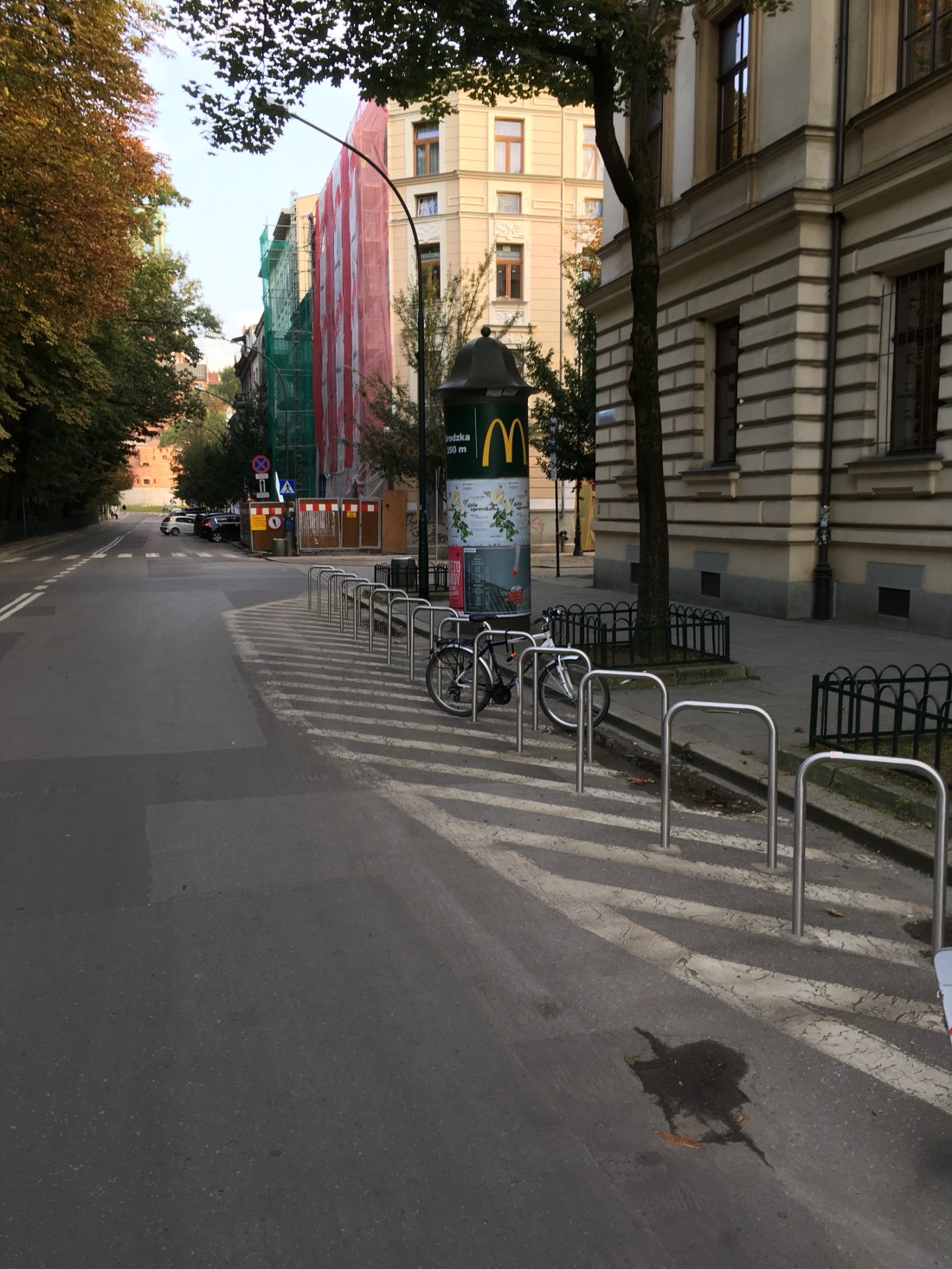
Bike rack in Krakow

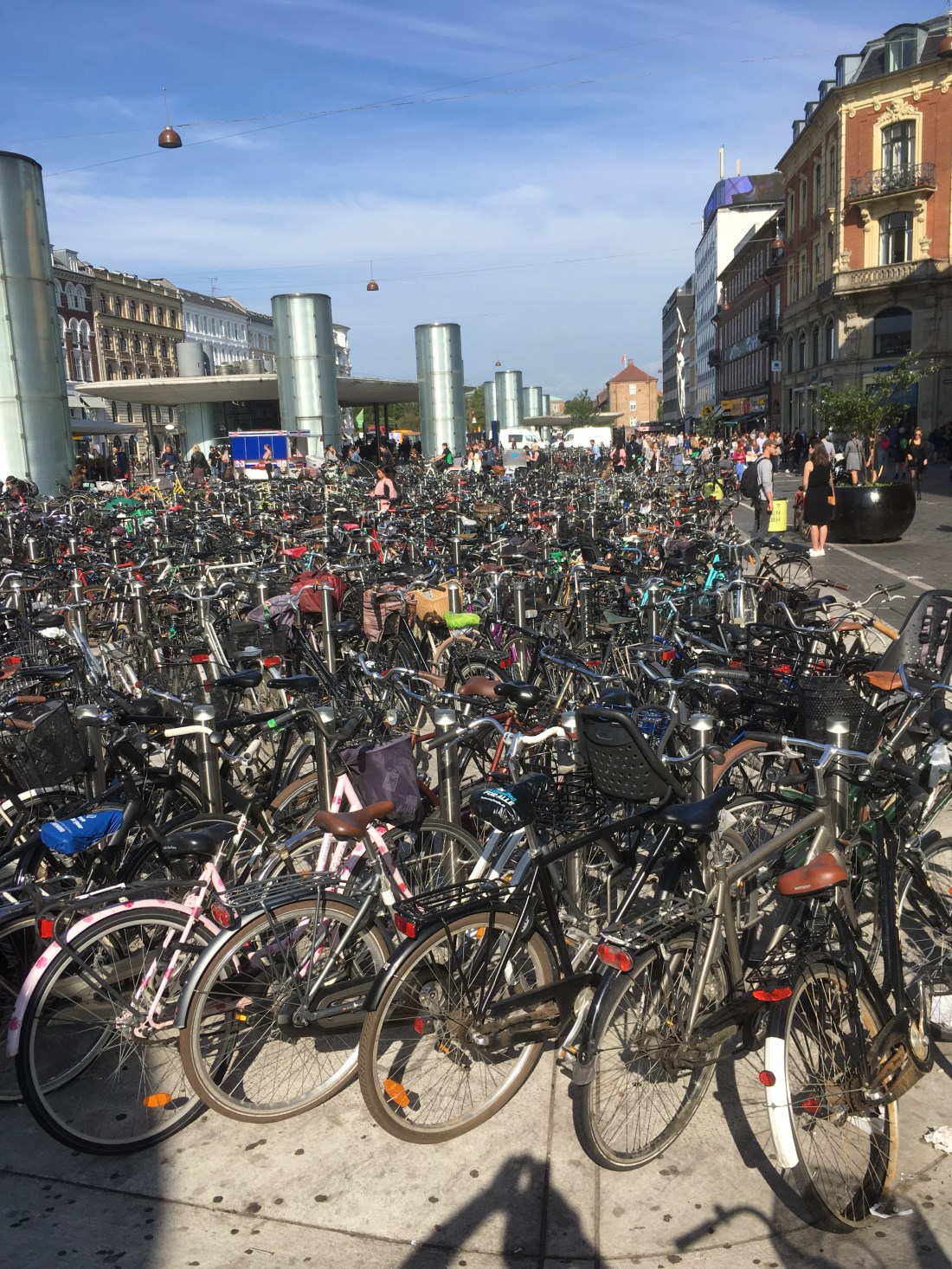
Bike rack in Copenhagen.

Everyone rides a bike in Copenhagen. All the streets have bike lanes that are jammed with Danes doing their best to Viking Biking. There were very few people in Krakow riding bikes and no bike lanes. Walking was even a challenge at times because people park their cars on the sidewalks. I would hazard to guess that the average Dane gets more daily exercise than the average Pole.

Food

The Danes seem to eat a lot of fish – fresh, pickled and smoked. The portions were also on the lite side to medium side, enough to satisfy the diner but not the gargantuan portions you encounter when you eat out in America.

In Poland the fare was on the hearty side with pasta dishes such as pierogis and dumplings and Italian food. The portions were always generous and you come away from a meal in Poland feeling a little stuffed.

Children

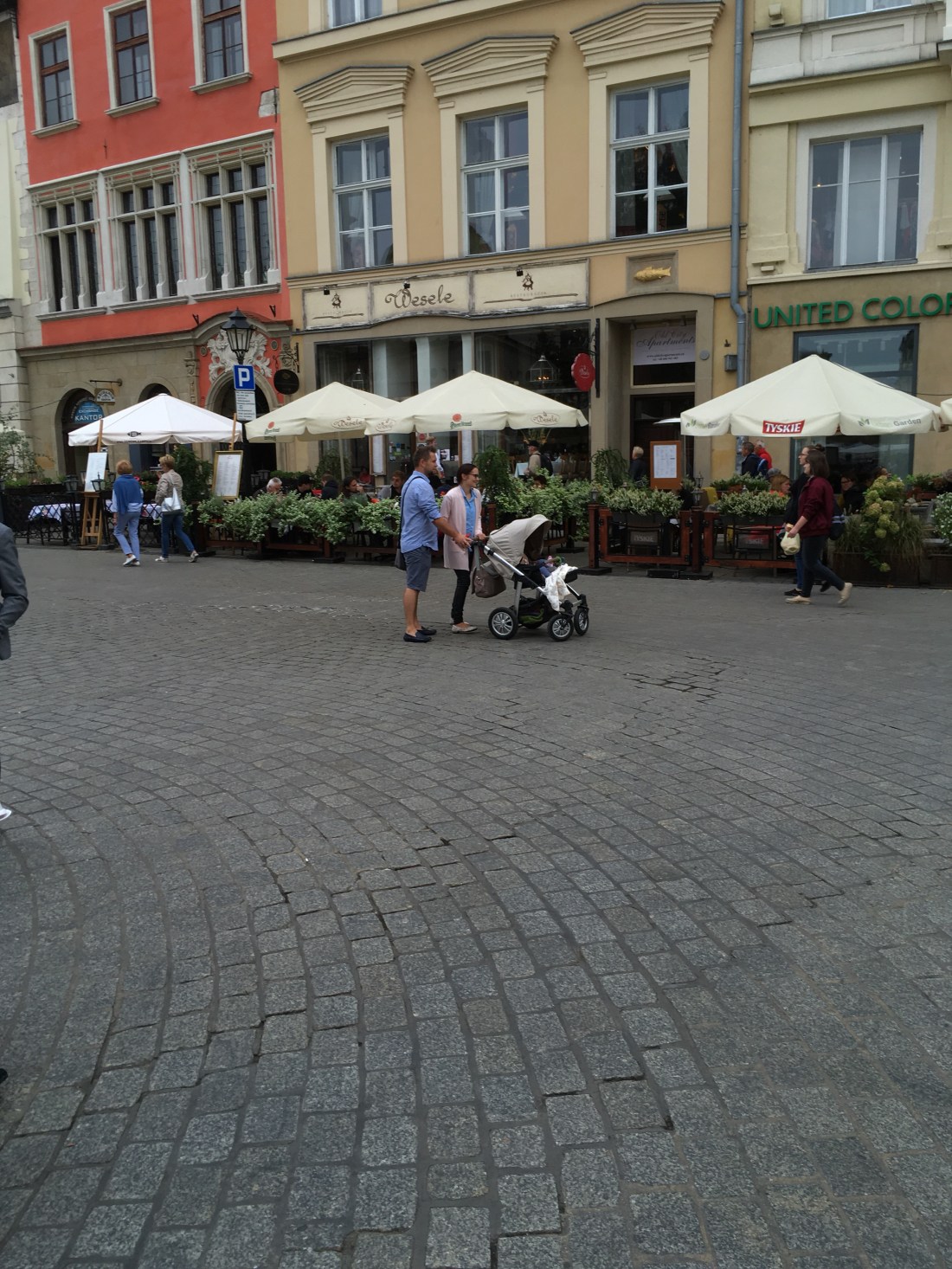
One of the few baby carriages in Krakow.

The streets in Copenhagen are overrun with young mothers and fathers pushing baby carriages. Everywhere we went in Copenhagen we could hear the peals of laughter from young children playing on school playgrounds. Of course, this might be explained by the fact that Danish mothers get a twelve month paid maternity leave and Danish fathers get at least a thirty day paid paternity leave.

We did not see any schools as we walked around Krakow and only saw groups of school children on the weekend when they were touring Wawel Castle and Cathedral.

Bee festival in Krakow.

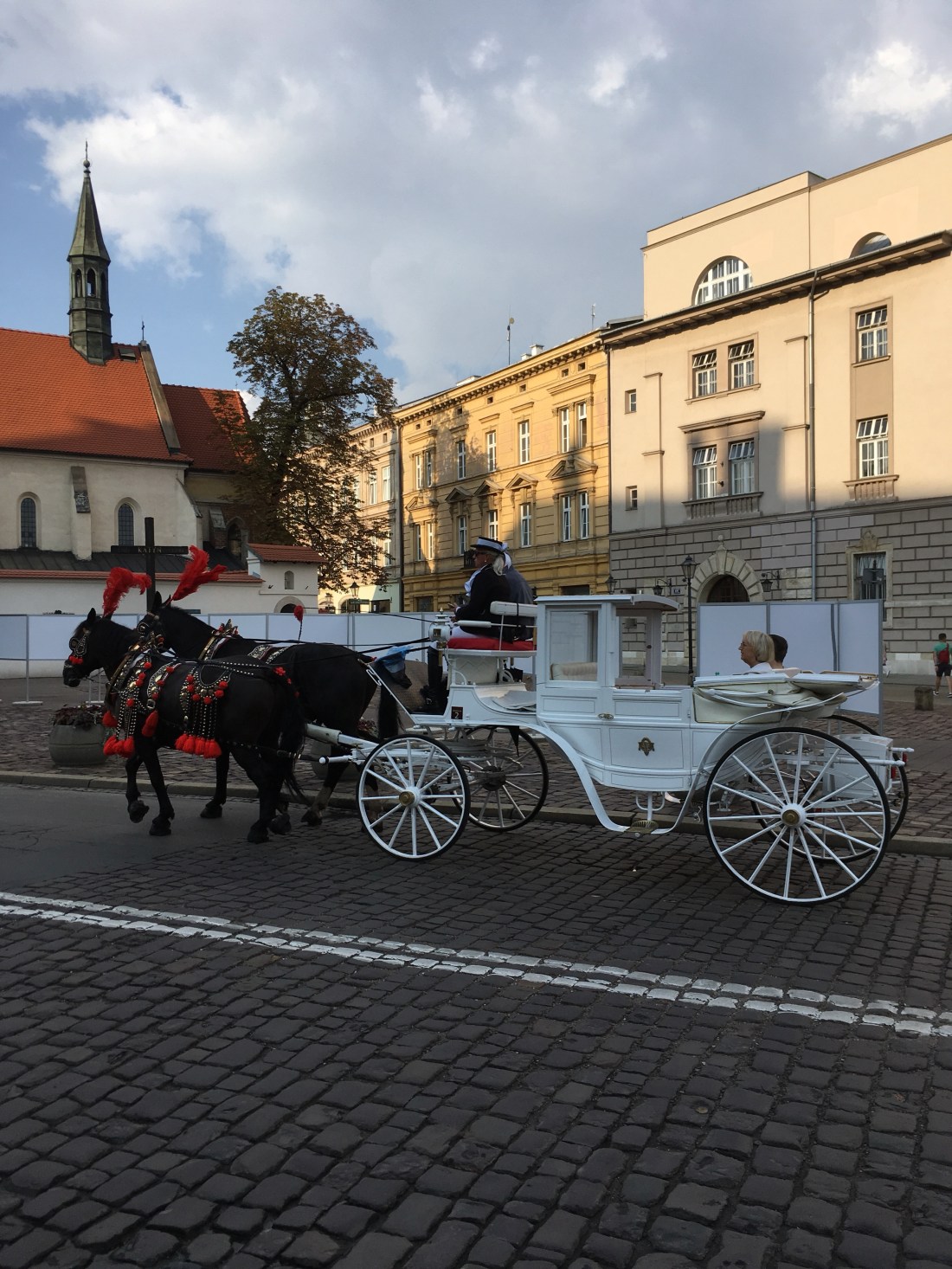
A great way to tour the old city.

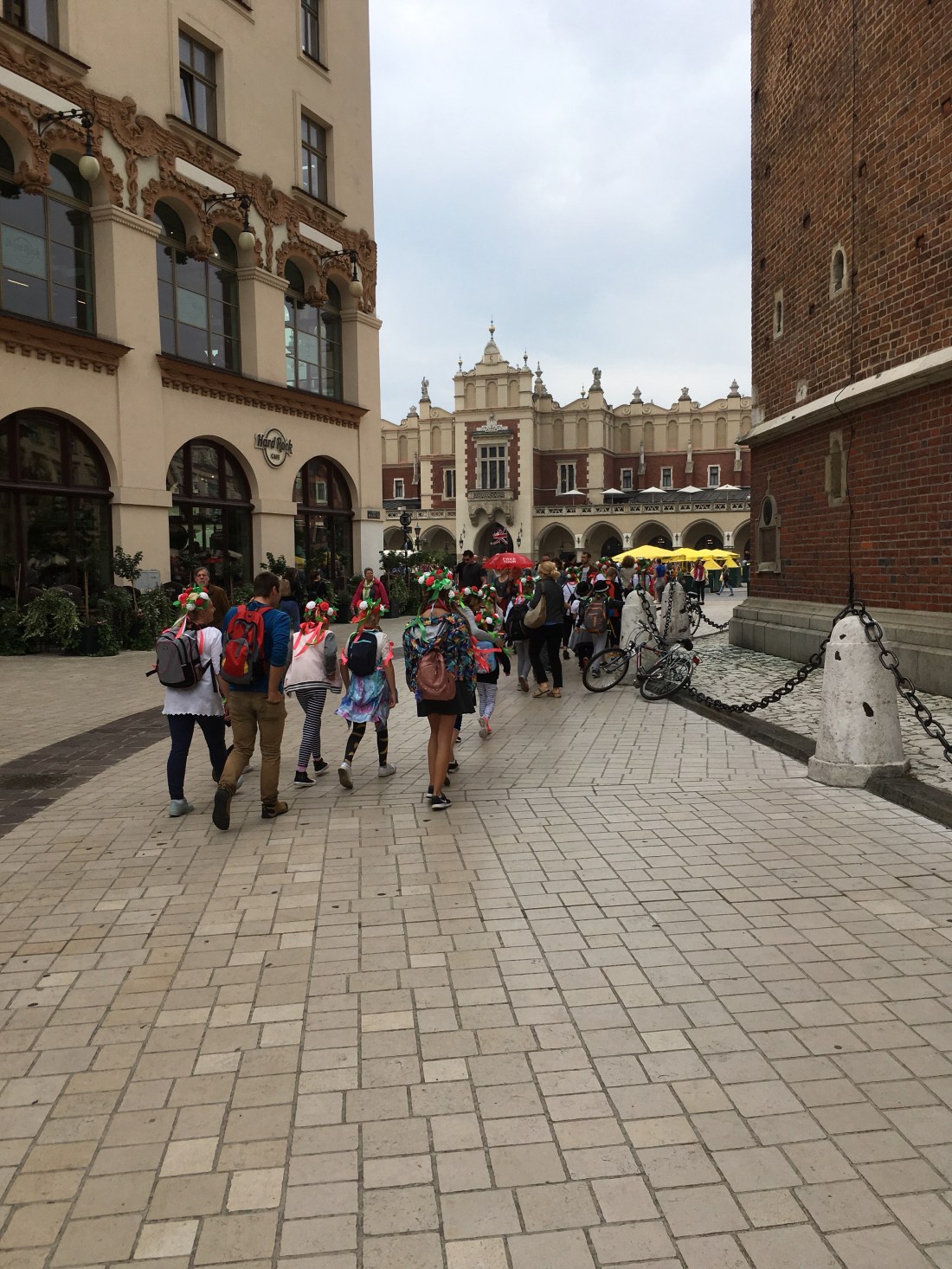
Some sort of Polish girls youth group. Notice the flowers in their hair.

I sincerely hope that I have not offended anyone of Polish descent who is reading this blog post. That was not my intent. If I have offended you I sincerely apologize.

Good night from Stockholm.
Castle near central train station in Stockholm.

Fourth Day in Krakow

Auschwitz and Birkenau

Today we spent the day at Auschwitz and Birkenau.

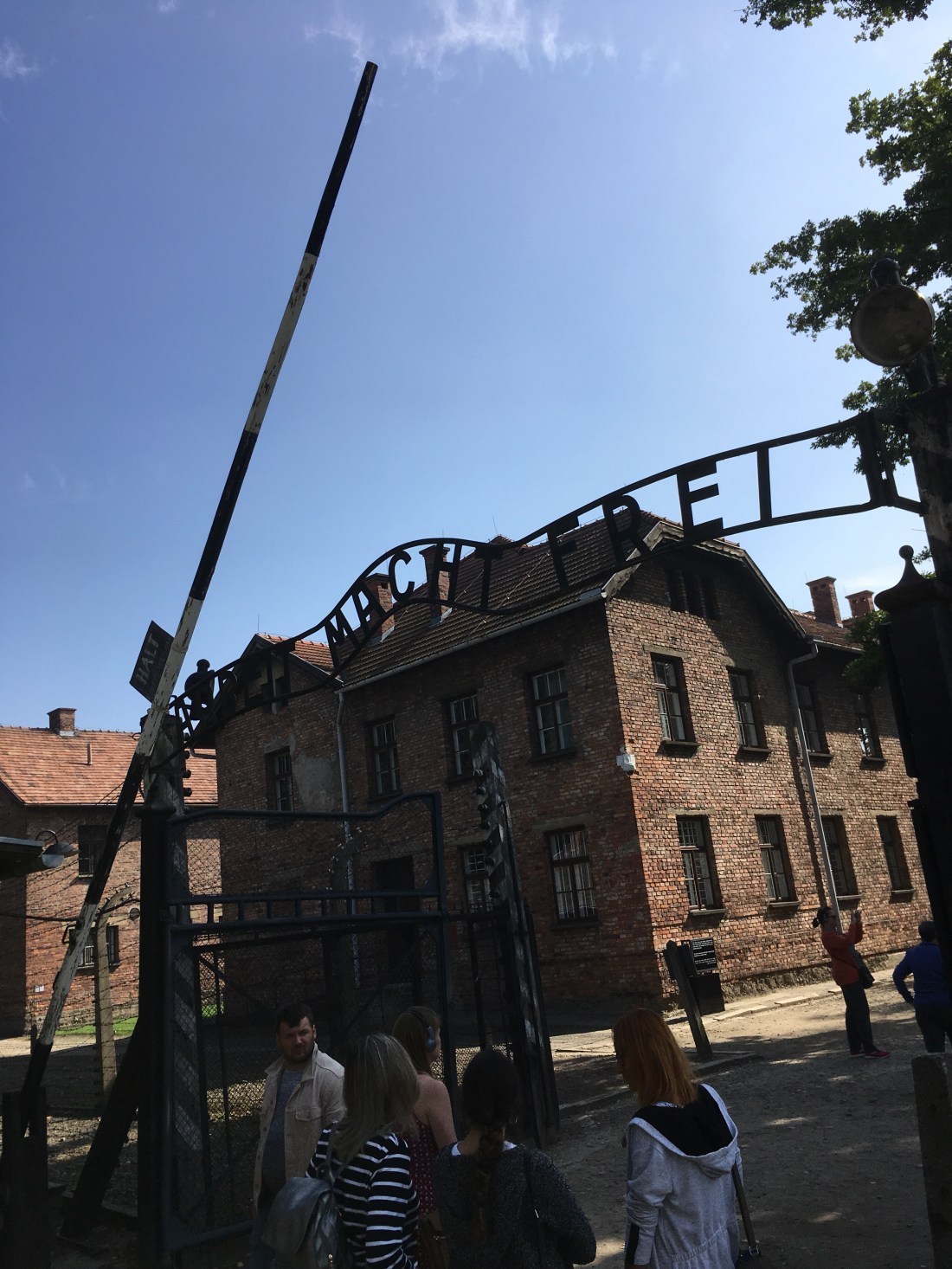
This is the gate at Auschwitz through which the camp’s inmates marched every day to work at the camp’s factories. The inscription over the gate is in German and reads, with more than a little irony: “Work makes you free.”
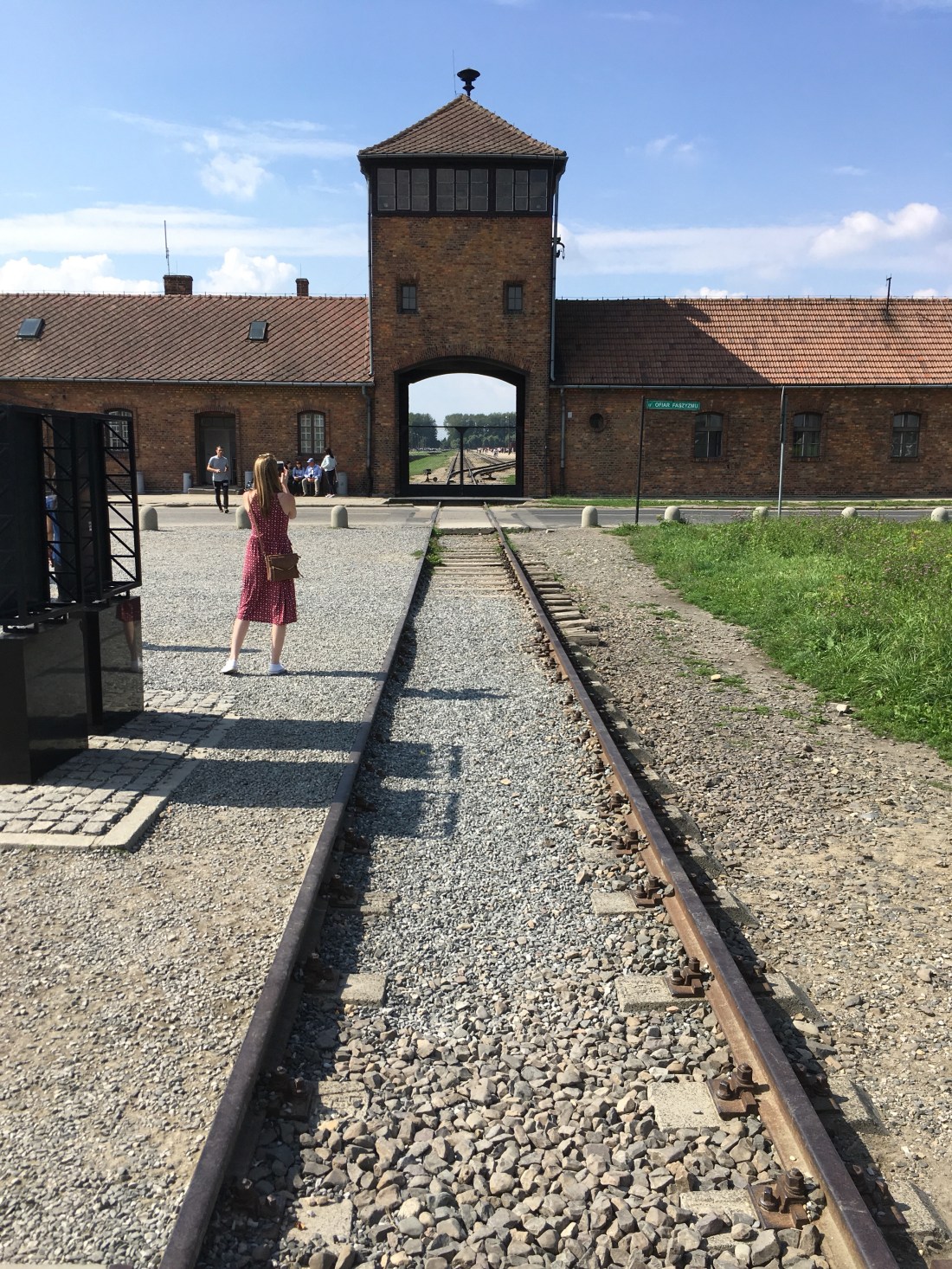
This is the gate to the Birkenau complex of camps and factories. The trains would pull through this gate and the occupants of the trains would disembark on a platform. On this platform the camps’ doctors would sort the new arrivals into two groups. One group would go directly to the nearby gas chambers. The other group would go to the factories where they would be starved and worked to death.

Approximately one million three hundred thousand men, women and children were sent to the Auschwitz complex of concentration camps. Seventy-five percent of the new arrivals were immediately sent to the gas chambers. A total of approximately one million one hundred thousand people were killed at Auschwitz. For those of you from Springfield who are reading this blog post, that would be the equivalent of killing everyone in Springfield times ten.

I can’t even begin to find the words to describe the utter horror of this place.

You might ask: “Why visit a place like Auschwitz?” One reason would be to recognize and honor the men, women and children who lived and died there. I think another reason is to make sure that we never forget the Holocaust and how low into the abyss of hatred we, as human beings, are capable of sinking.

One of the barracks at Auschwitz had a plaque on the wall with this quote from George Santayana: “Those who do not remember the past are condemned to repeat it.” If that is true, then I hope to God that we never forget or deny the existence of the Holocaust and always honor the victims of this horrific crime against humanity.

Tomorrow we fly to Stockholm.

Goodnight from Krakow.

Third Day in Krakow

Wawel Cathedral

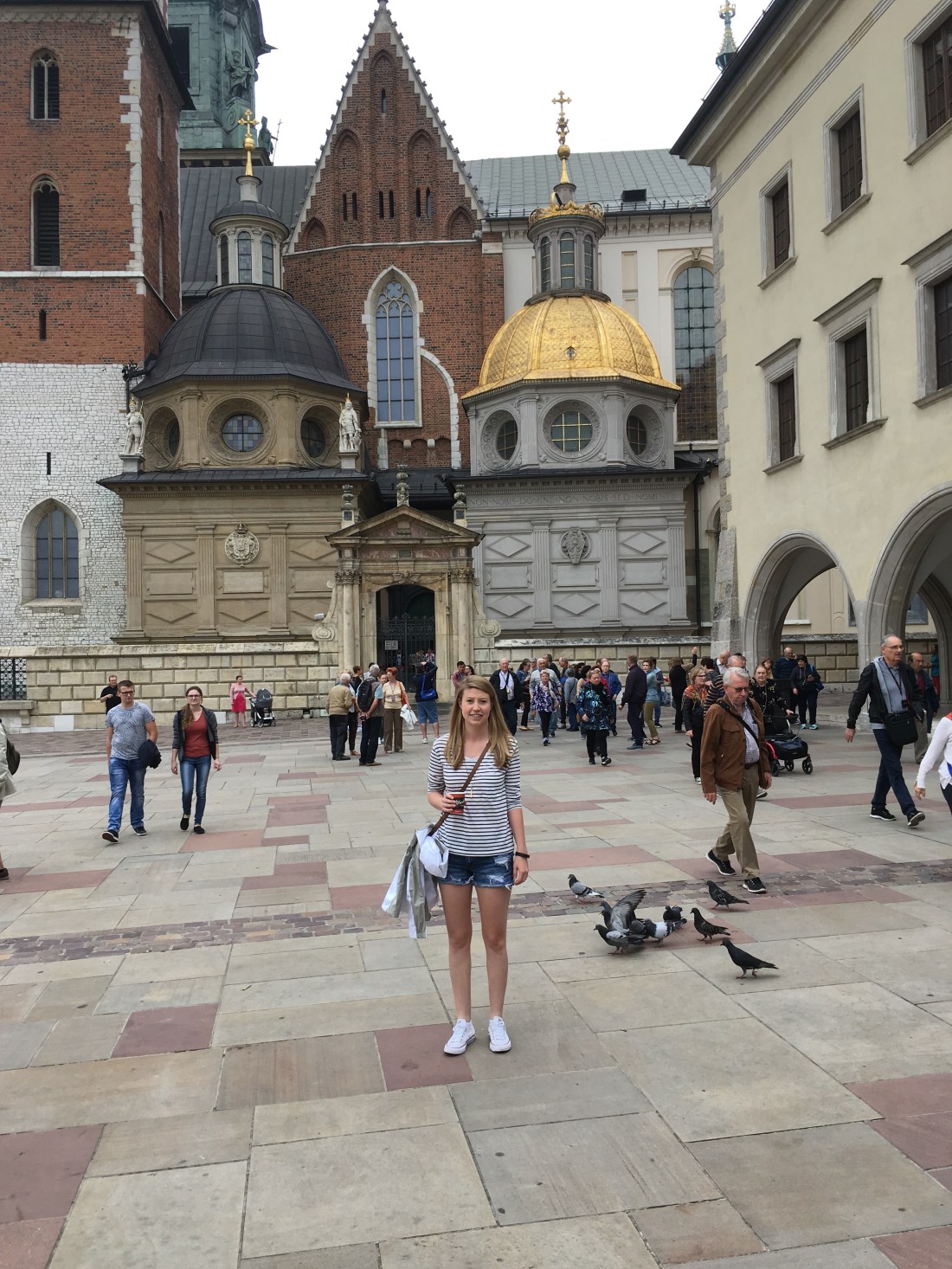
Sara at Wawel Cathedral

We sacked in this morning. It was a cloudy cool day, just made for sleeping in and getting a late start on the day. We had a croissant and coffee at a cafe on the grounds of the Cathedral. We then got our tickets and toured the Cathedral. This is where the Polish nobility were married, buried and coronated. Chopin is buried at the Cathedral. It is like Westminster Abbey only in Poland instead of London.

I lit a candle and said a prayer for my sister Anna who is battling cancer as hard as she can.

Lunch

After touring the Cathedral we walked to the old town square and had lunch at an Italian sidewalk cafe. I know what you are thinking. We are eating a lot of Italian food. But you can only eat so many pierogis and kielbasa before your pants don’t fit.

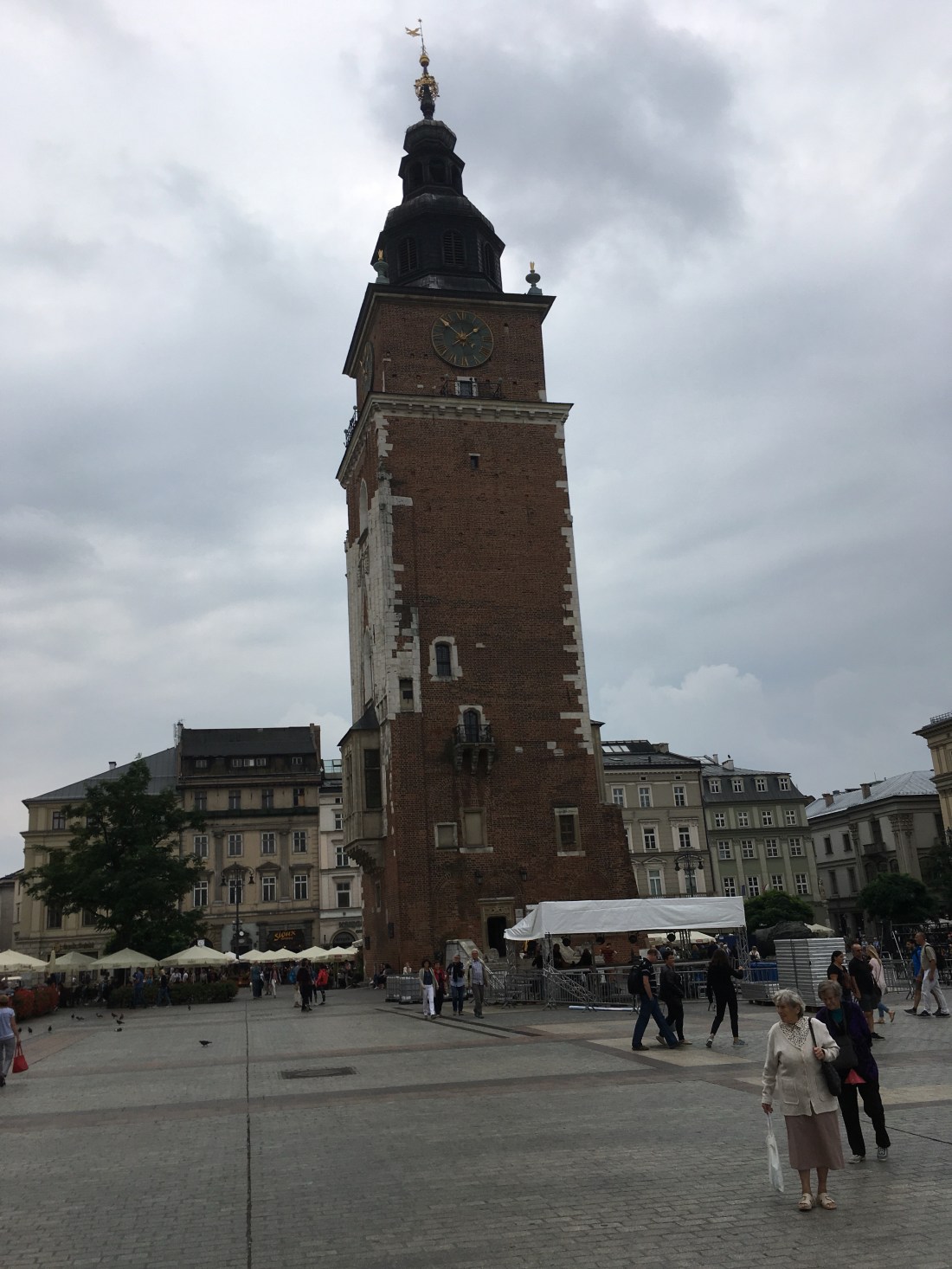
The Old City Hall Tower

In order to work off our lunch Sara decided that we would climb to the top of the Old City Hall Tower. It was only a couple of hundred steps up but it was very narrow and you had to stoop to avoid hitting your head on the ceiling. Combine that with an almost complete lack of windows and you get the claustrophobic picture. We got a great view of Krakow from the top so the climb was worth it but I was glad to get down to the bottom.

Churches

We visited a couple of medieval Churches as we were walking around today.

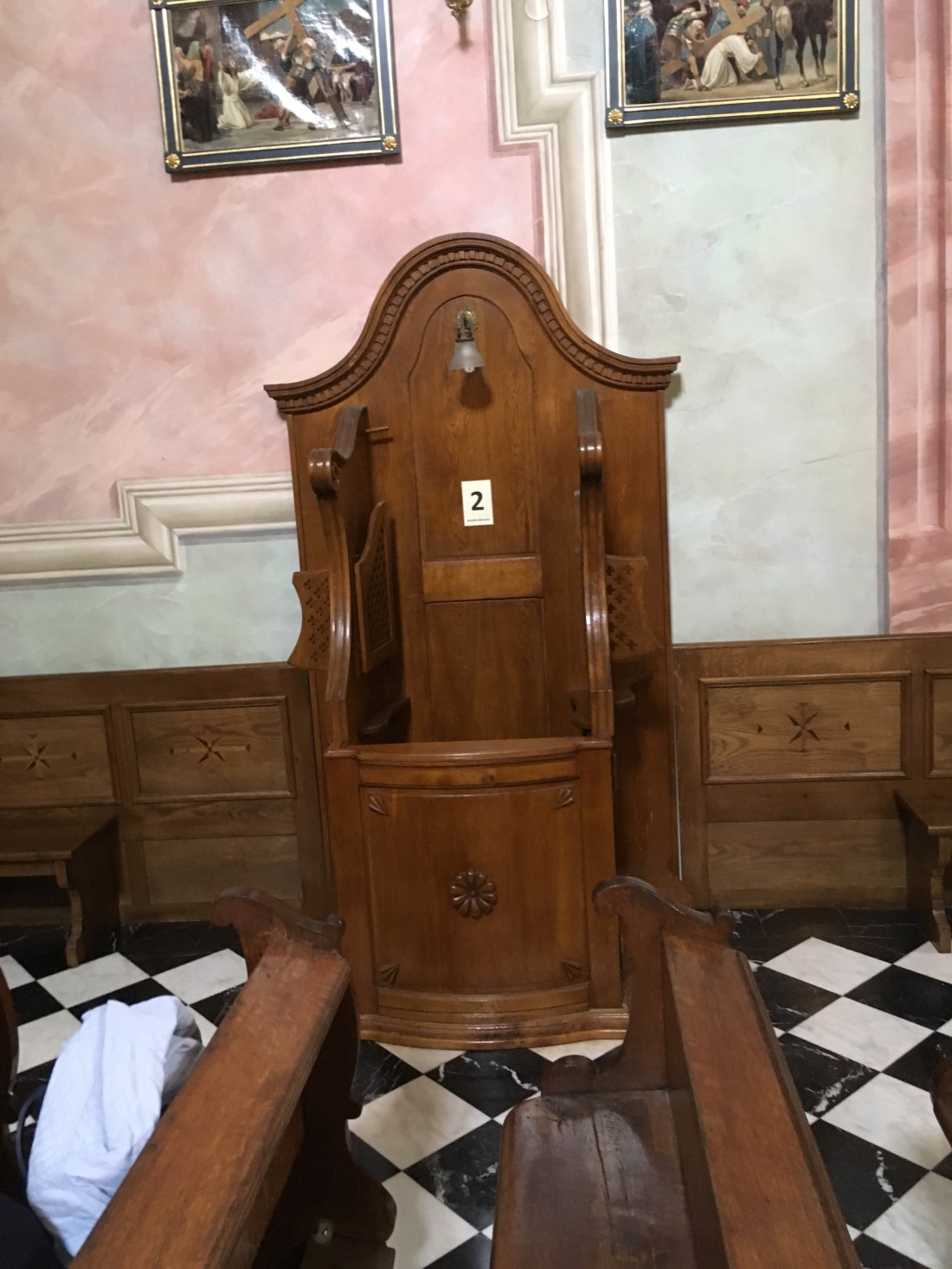
Confessional in one of the churches.

As you can see, this confessional is set up so that the priest is in the middle and he can’t see the person confessing but the rest of the congregation can see and hear your confession. I saw this confessional and was swept up in an inexorable wave of religious fervor. I dropped to my knees on the right side of this confessional and loudly proclaimed:”Bless me father for I have sinned. It has been 50 years since my last confession!”

Everyone in the church froze with their mouths agape and looked at me like I was the Dragon of Krakow come to devour them and burn down their church. The priest burst from the confessional pointing at me and screaming: “Infidel! Burn him at the stake!”

I expected to be chastised by the priest for the lengthy gap between my last confession and my current confession, but I did not expect to be publicly denounced in such harsh language. To tell you the truth, I was hoping to get off with a penance of a few Hail Marys and a few Our Fathers. No such luck. Before things got too out of hand I decided to get out of that church as fast as my flat feet would carry me. Sara and I are done visiting churches for the remainder of our stay in Krakow.

Dinner

Where we ate dinner

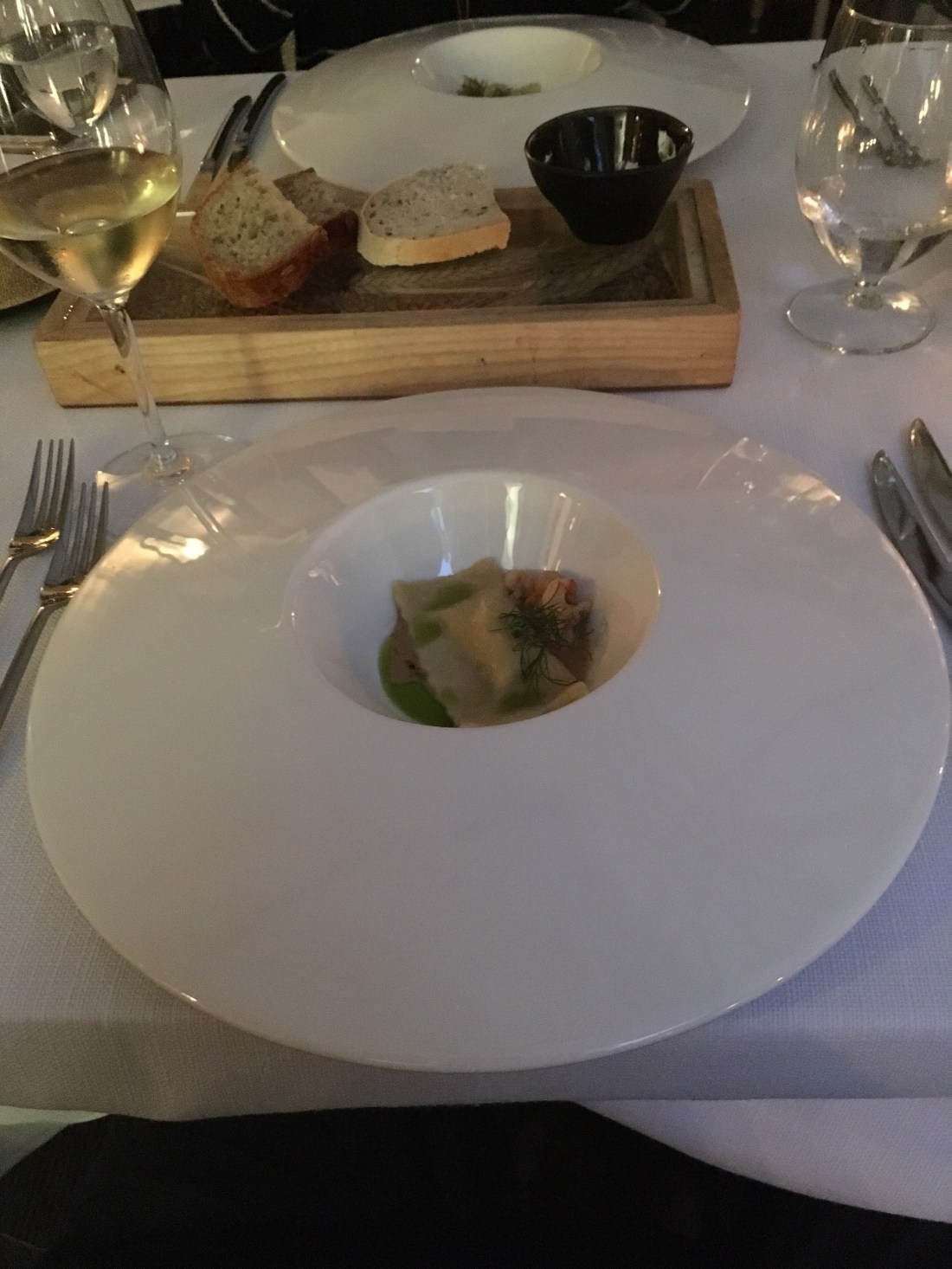
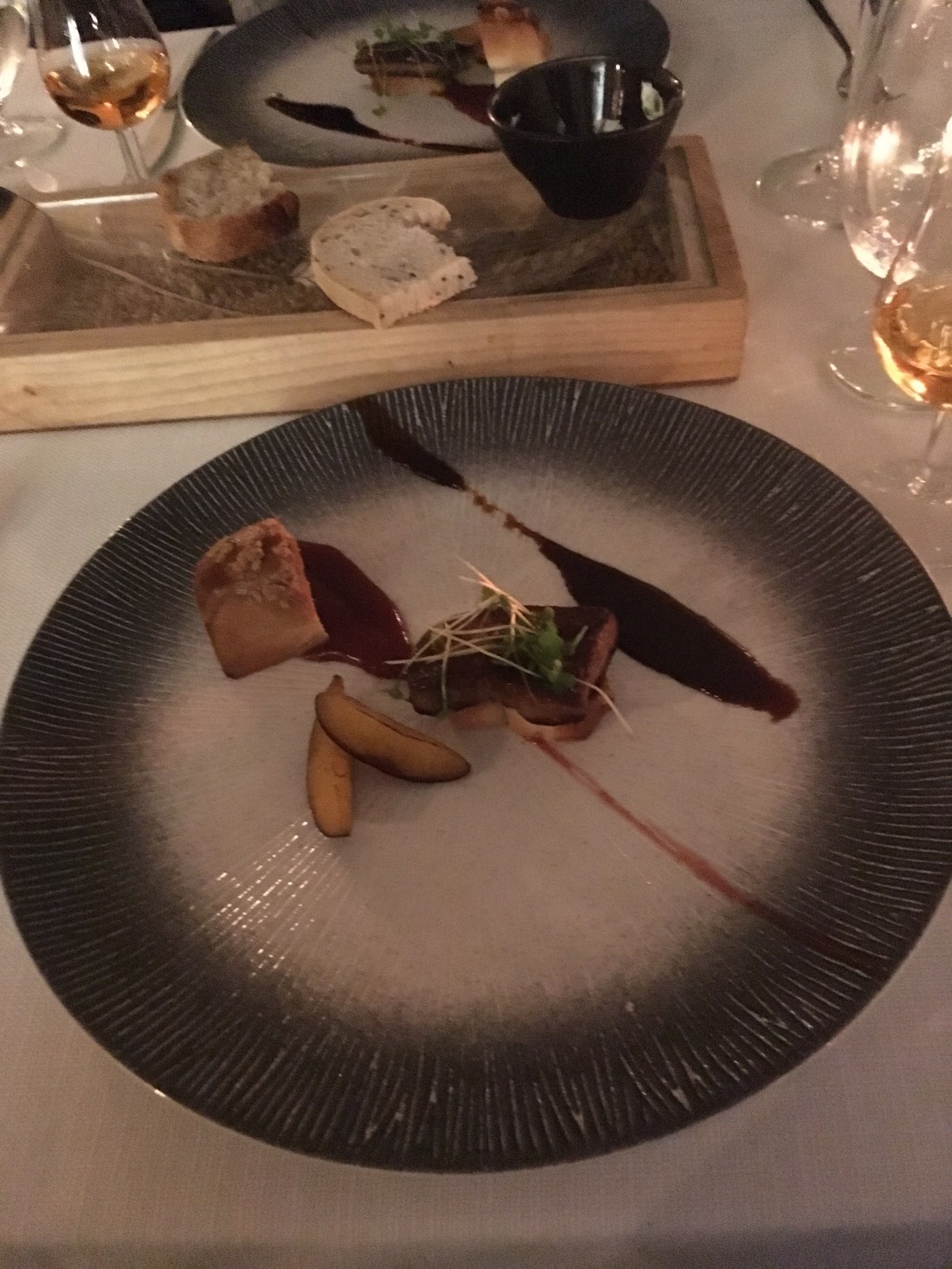
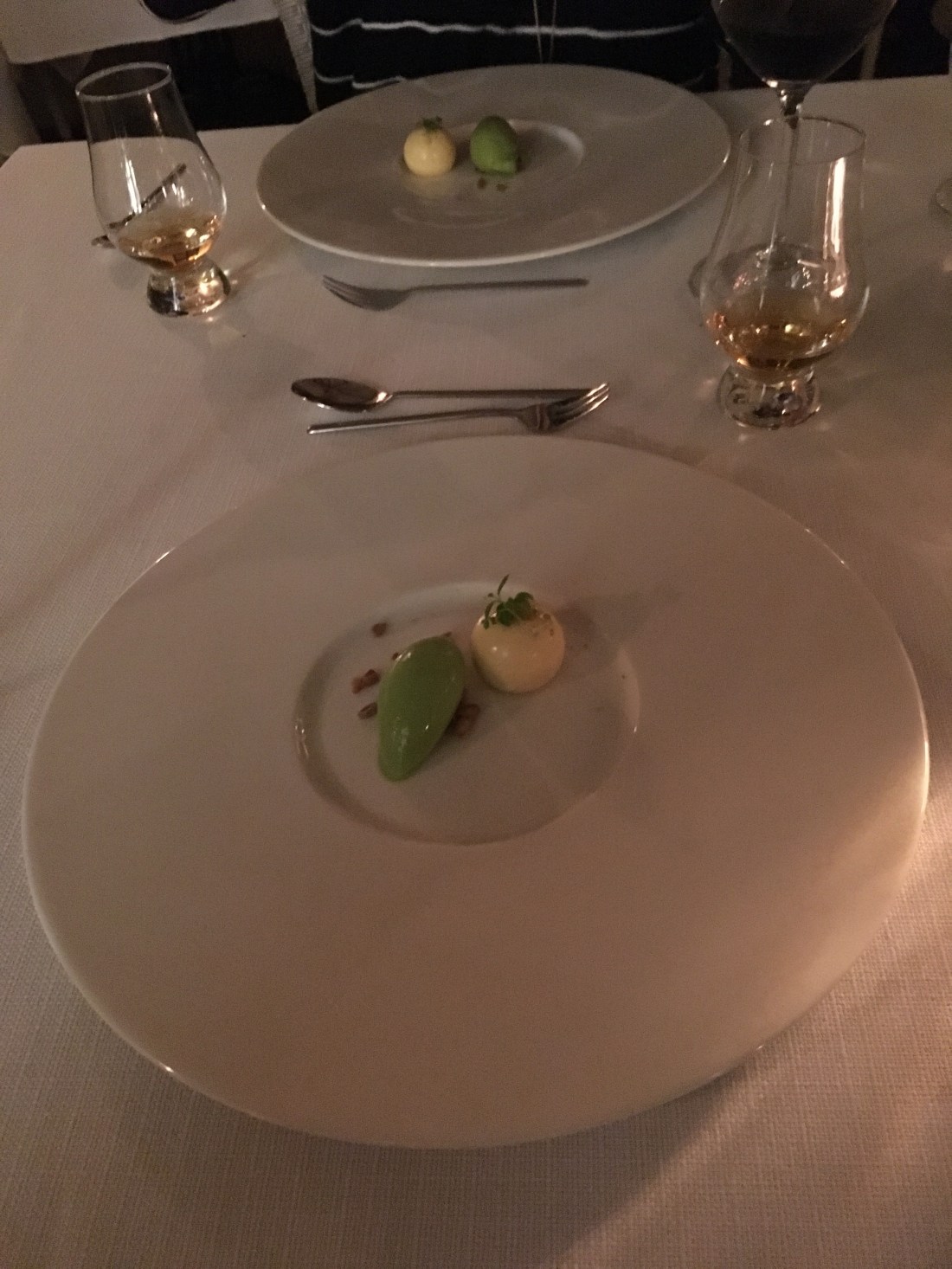
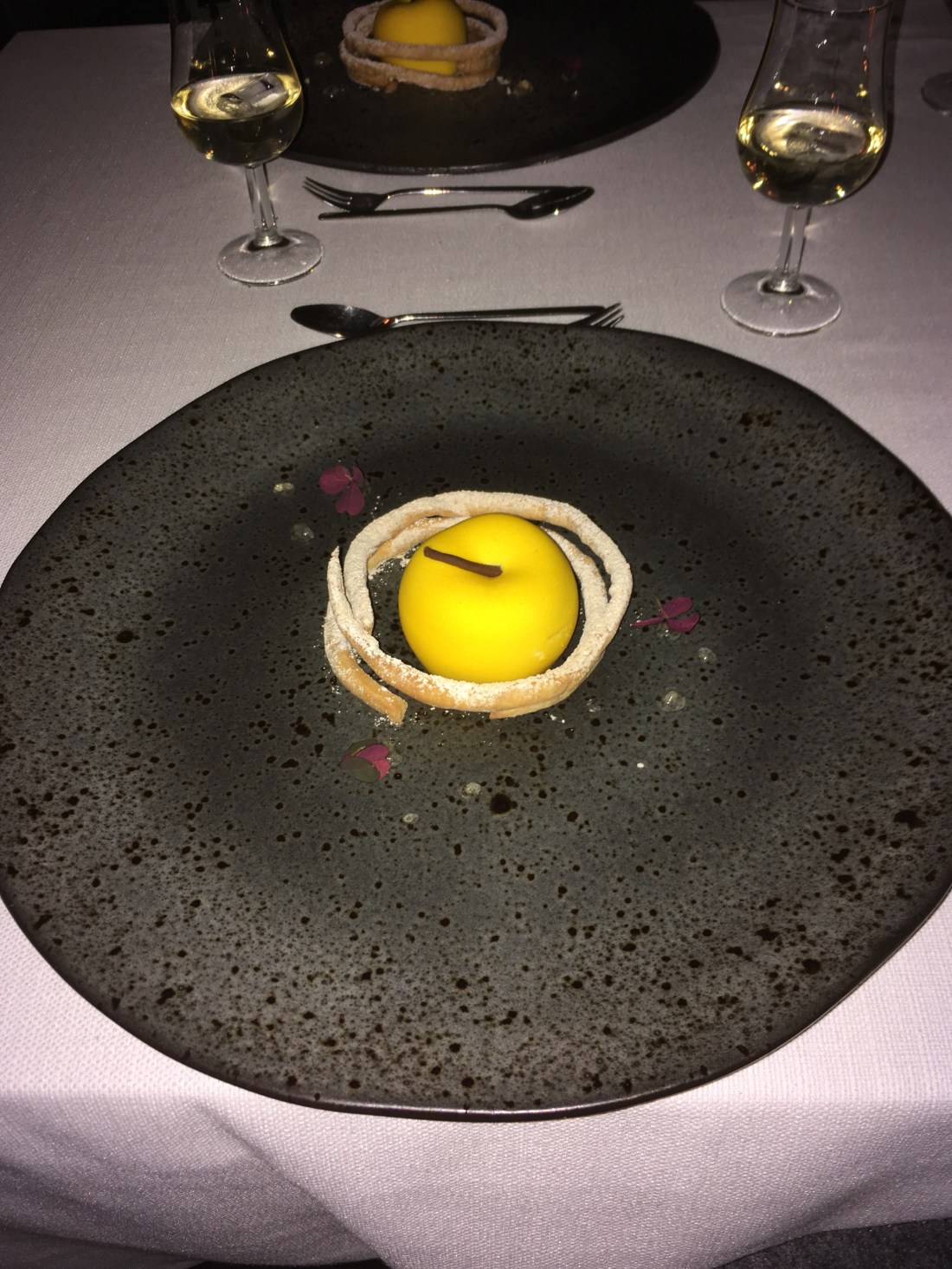
We had a nine course plus tasting dinner here with a wine pairing.

Bread with celery butter.

Smoked carp, yes it was carp which is a traditional Polish delicacy, with sunflower seeds and oats.

Very nice dry Chardonnay.

Smoked cheese and honey.

Dumplings stuffed with smoked eel and crawfish swimming in a fermented rye broth.

A delightful Chenin Blanc.

Duck liver pate with a Polish plum liquor.

Borscht with Spelt vodka.

Turbot with a Napa Valley Chardonnay.

Apple and gin sorbet to cleanse the palate.

Venison tenderloin with a hearty Cabernet.

Parsley ice cream and white chocolate ice cream with Old Putney single malt.

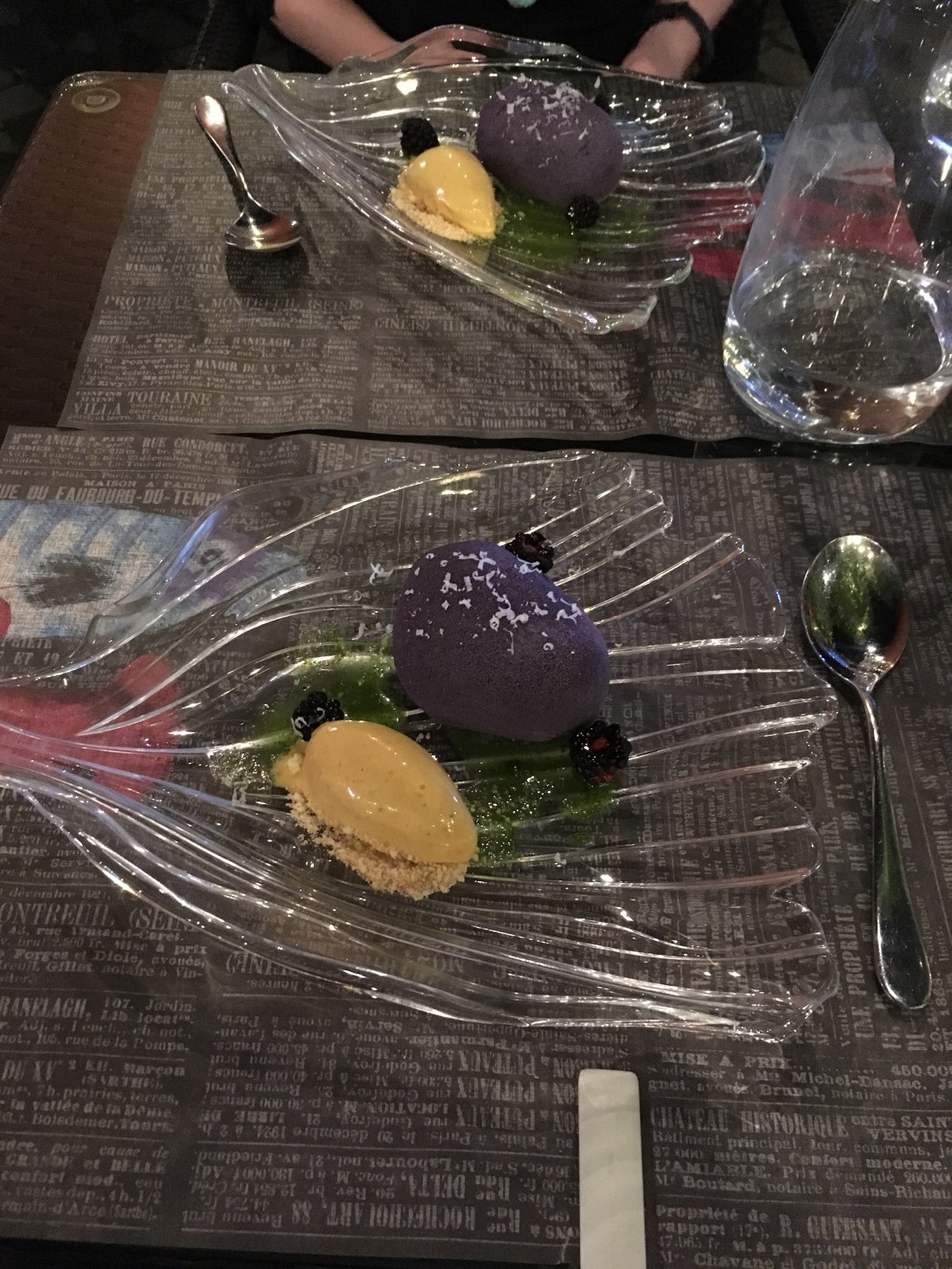
Looks like an apple but it is not. Some sort of cake like concoction. Served with vodka mixed with mead.

A truffle in a box.

What a wonderful meal. What a wonderful four hour culinary and visual art experience. And we had an extraordinary waiter to shepherd us through the entire experience. Truly a meal to remember.

Good night from Krakow.

Second Full Day in Krakow

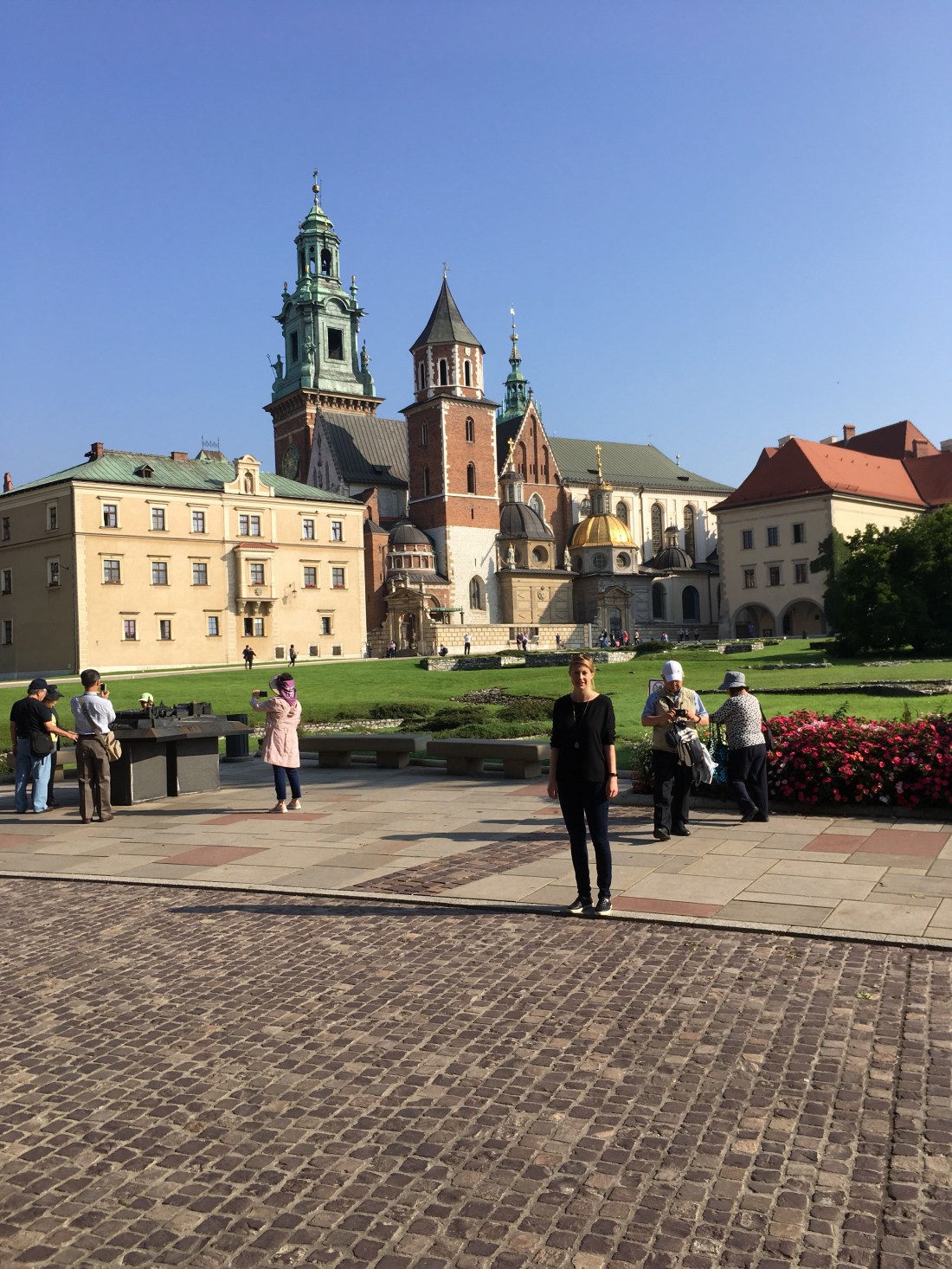
Sara at Wawel Castle.

Today we spent the morning at Wawel Castle. The king of Poland built this castle and lived in it until his alchemists burned down one corner of it while they were trying to develop a sorcerer’s stone that could turn iron into gold. Sounds very Harry Potterish. The king decided to move the royal residence to Warsaw until repairs could be completed to the Castle. The repairs were completed and the king decided he liked Warsaw and refused to move back to Krakow. However, Wawel Castle continued to be used for royal christenings, weddings, coronations and funerals.

We spent four hours touring the crown treasury and armory, the state rooms and the royal private apartments. Strictly no pictures allowed. The interior furnishings and artwork were magnificent. One of the early kings commissioned 136 Flemish tapestries made of gold and silver thread. There is about ten pounds of gold and ten pounds of silver in each tapestry. He was so embarrassed by the cost that he burned the bill. These are truly beautiful tapestries.

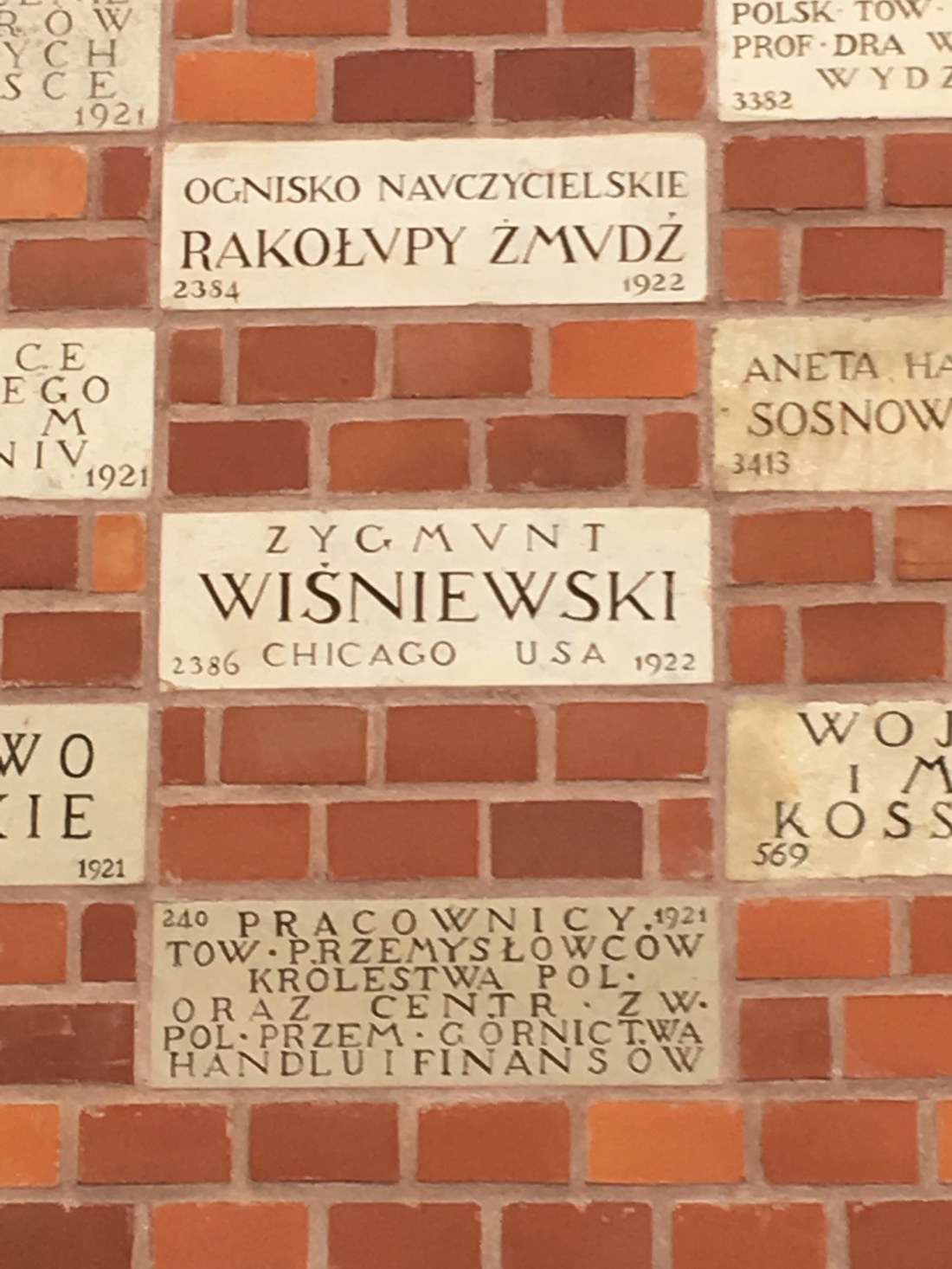
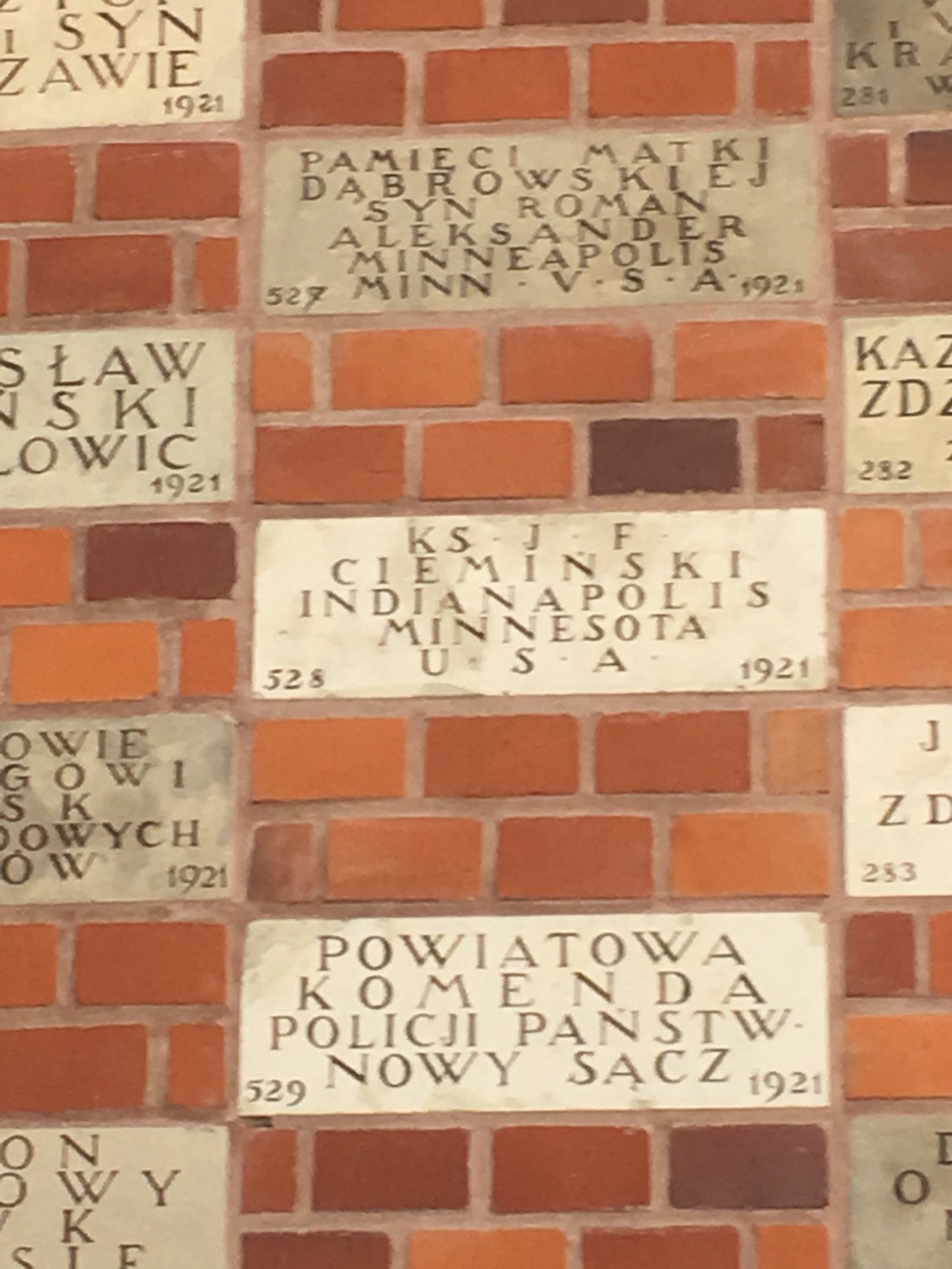
Bricks from big donors who helped fund the restoration and upkeep of the Castle. Poles from Chicago and Minneapolis have supported this worthwhile cause. Seeing these bricks, I couldn’t help but think about our next door neighbor on 8th street, Stanley Kulick, a loveable generous Pole and the best neighbor ever. May he Rest In Peace.

Lunch

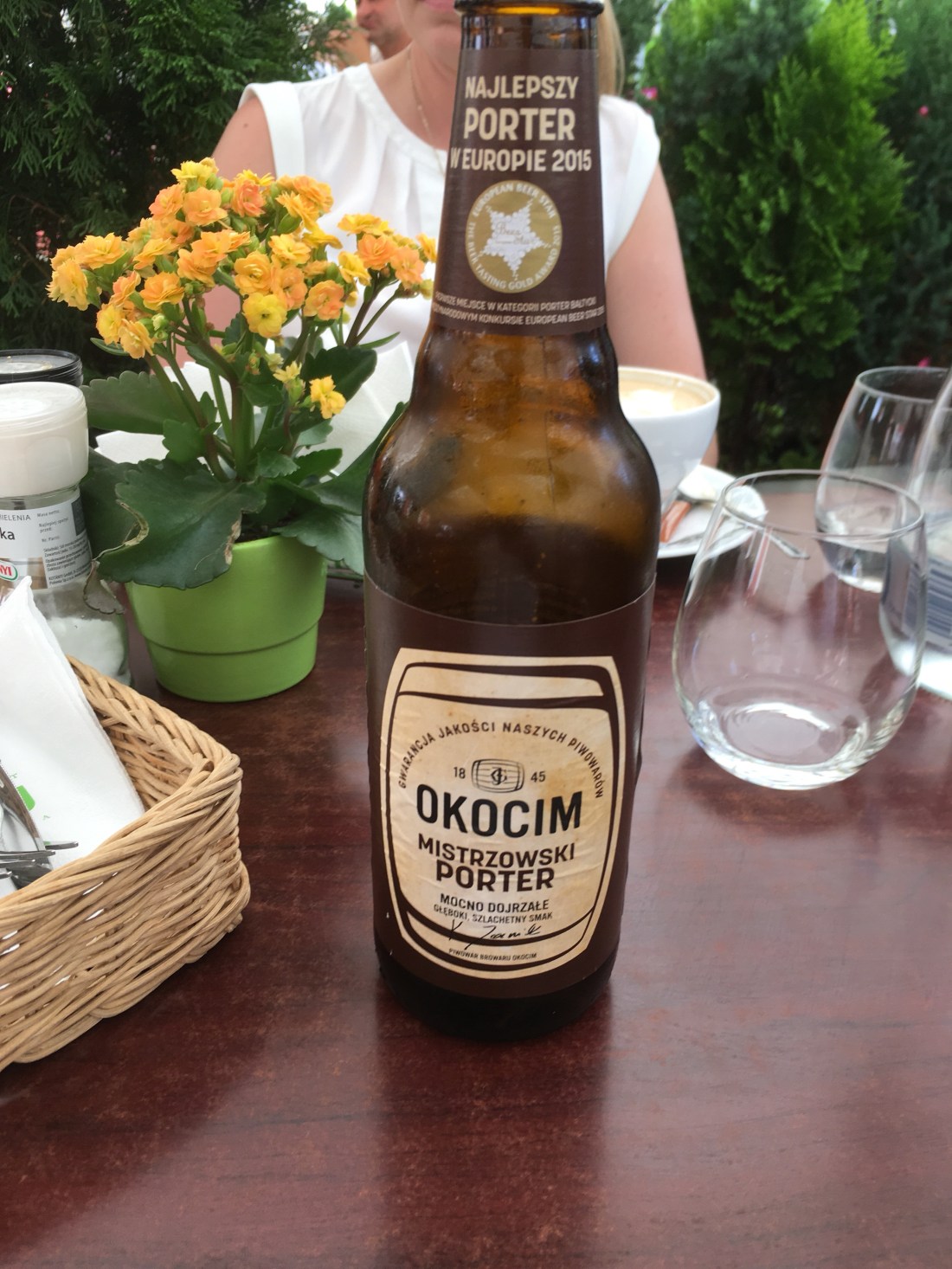
I decided to try something other than the standard Pilsner for lunch. This was a hearty whisky barrel aged porter that was a good pairing with my authentic Polish venison stew served in a bread bowl. Sara had a salad. Not very Polish or authentic. From the look of the people in Krakow, not many are eating salads.

The Old Synagogue

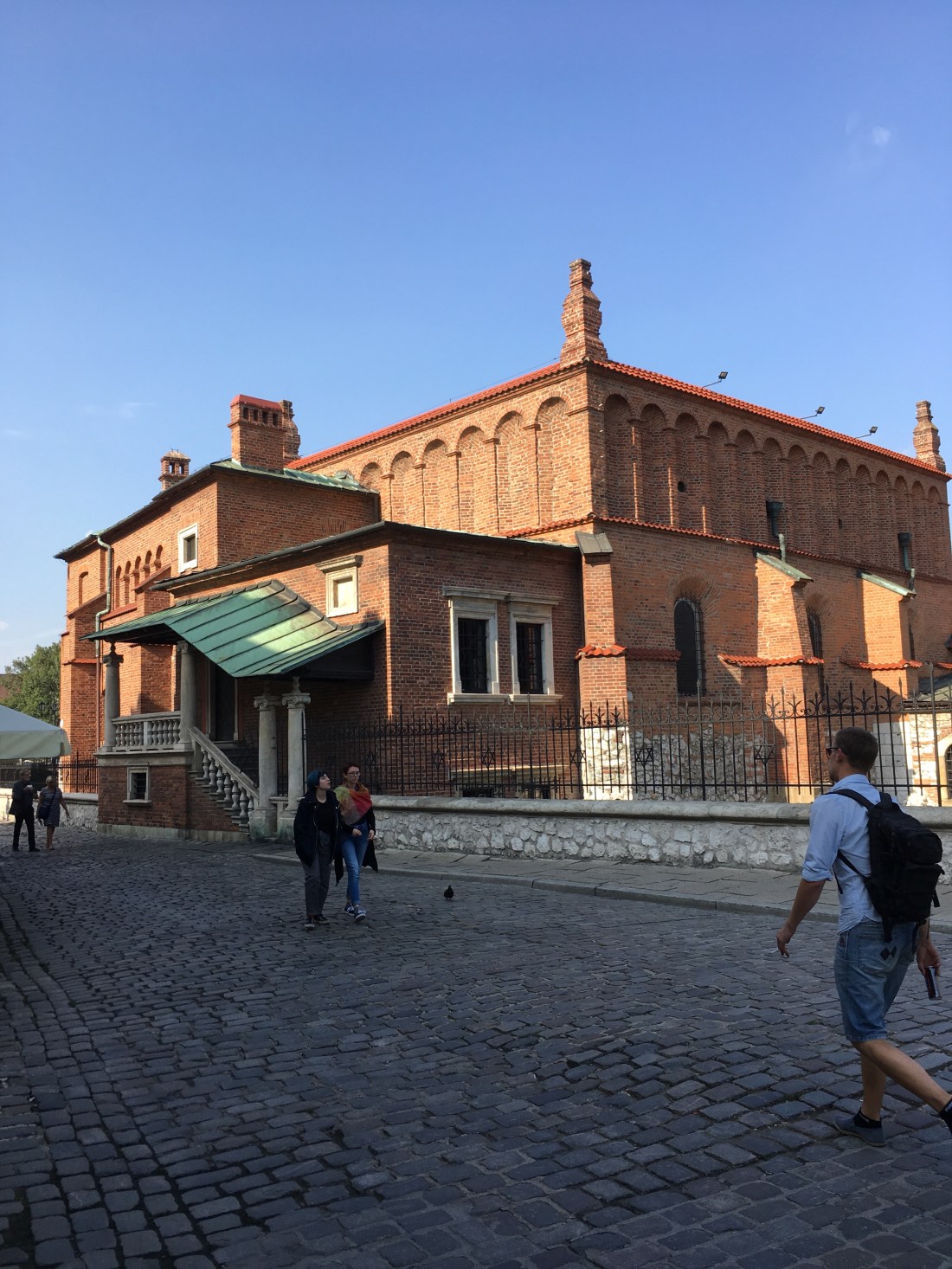
After lunch we spent a couple of hours walking around the old Jewish Quarter and visiting the Old Synagogue.

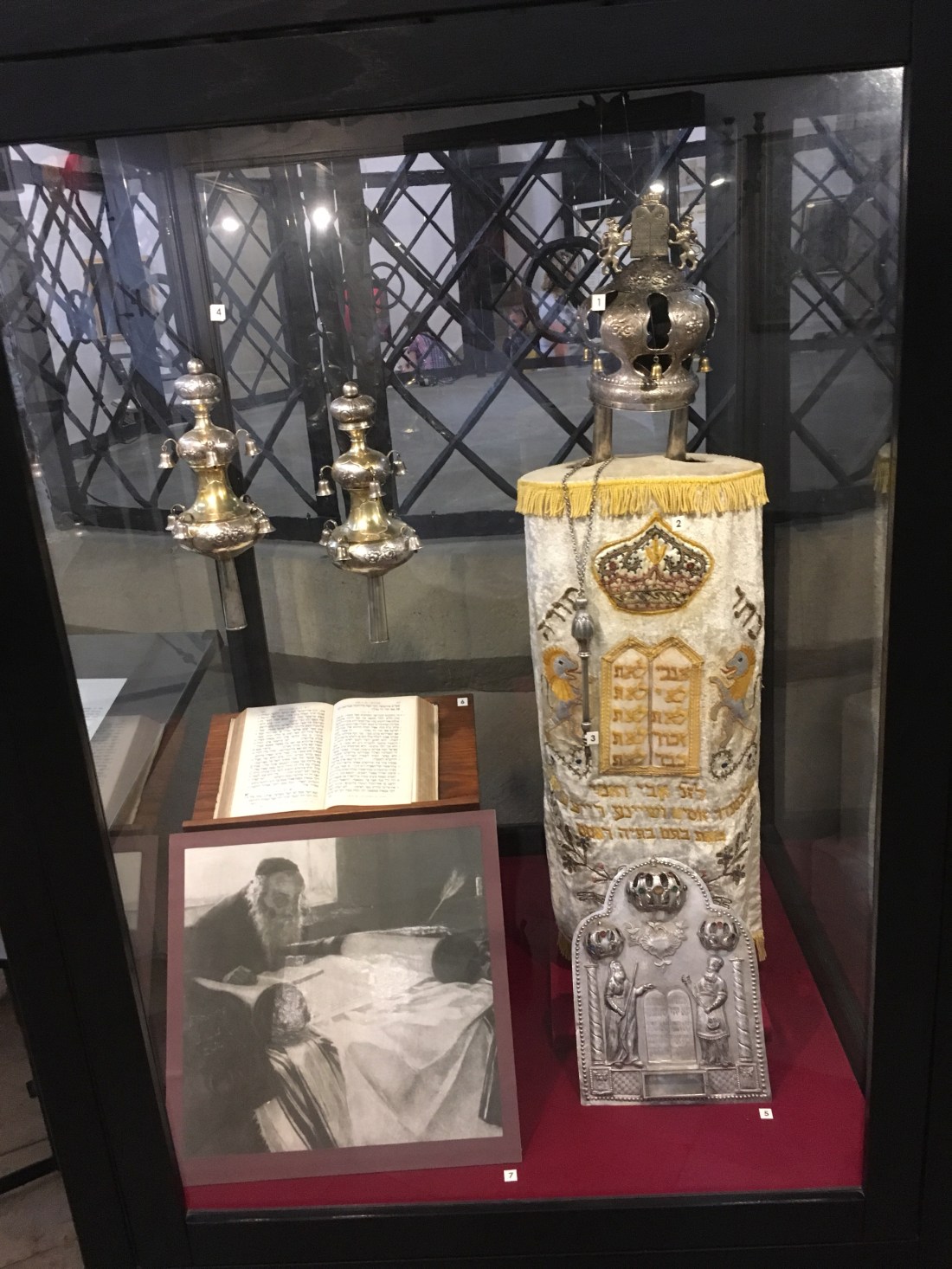
This synagogue was built in 1407 and was the center of Jewish life in the area around Krakow. The synagogue was partially destroyed when the Nazis occupied Krakow but was rebuilt after the war. Inside the synagogue were a number of displays and artifacts describing in detail Jewish life in Poland and Krakow.

Torah display in the Old Synagogue.

Dinner

Sara and I had a great meal at this Italian bistro just off the main square in old town Krakow. I had black truffle risotto. I love risotto and this was really good risotto.

This is the town square in old town Krakow. It is a very lively place day and night.

I hope everyone is having a good day today.

Goodnight from Krakow.

First Full Day in Krakow

Our Flight From Copenhagen To Krakow

We arrived in Krakow last night. We had an uneventful flight on Norwegian Air. The plane was brand new and the departure and arrival were right in time. However, when we landed in Krakow, instead of getting off on a jetway, we walked down a set of stairs onto the tarmac and then waited for busses to arrive and take us to the terminal. The same thing happened when I changed planes in Iceland. I guess this is all part of the low cost airline model in Europe. I am not complaining but it is a little strange and would be a pain in the backside when it is raining or in the winter. Oh well, another new experience.

The Krakow Dragon

The dragon is the symbol or mascot of Krakow. This dragon is twenty feet tall, is made of bronze and spouts flames out of his snout every five minutes.

Legend has it that the founders of Krakow started to build their city on a hill that is the current site of Wawel Castle. They awakened a 75 foot tall dragon who had been sleeping in a cave under the hill for a thousand years and the dragon was pissed. All the knights of the city tried to slay the dragon but wound up barbecued. A peasant filled a sheep carcass with sulfur and when the dragon ate it a fire started in his belly. In order to quench the fire, the dragon drank the nearby Vistula River dry. His belly got so big he exploded and the town was saved. In latter years they found mastodon bones at the site of the Castle and convinced themselves the bones were dragon bones.

It does make for a good story.

Lunch

Sara found this great place for lunch near the old city center. We both had pierogis and a traditional Polish Easter soup in a bread bowl with sausage and hard boiled eggs and a fermented rye broth. Very good and very filling.
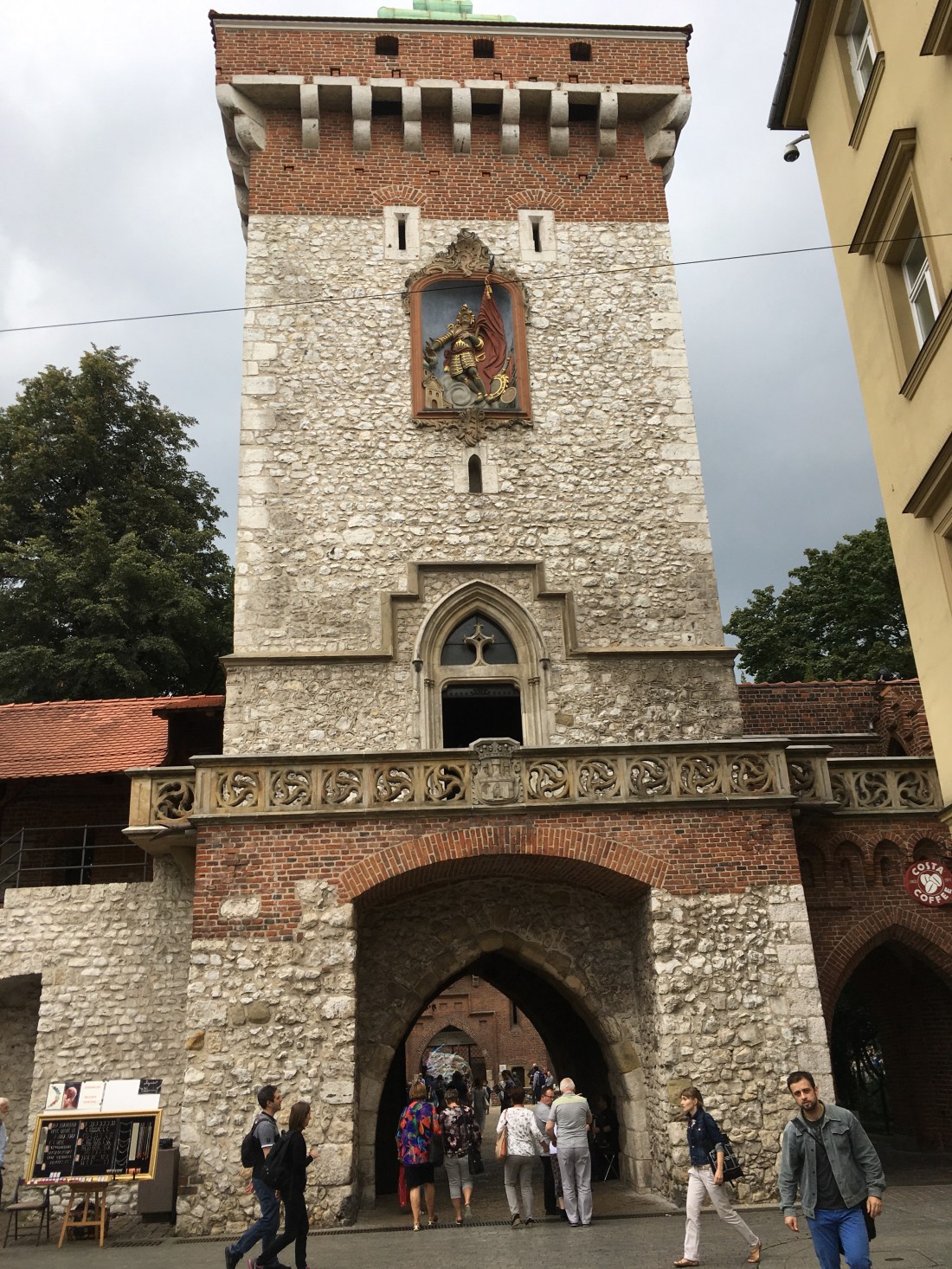
St. Florian’s Gate

This is the North Gate of the medieval wall that protected Krakow.
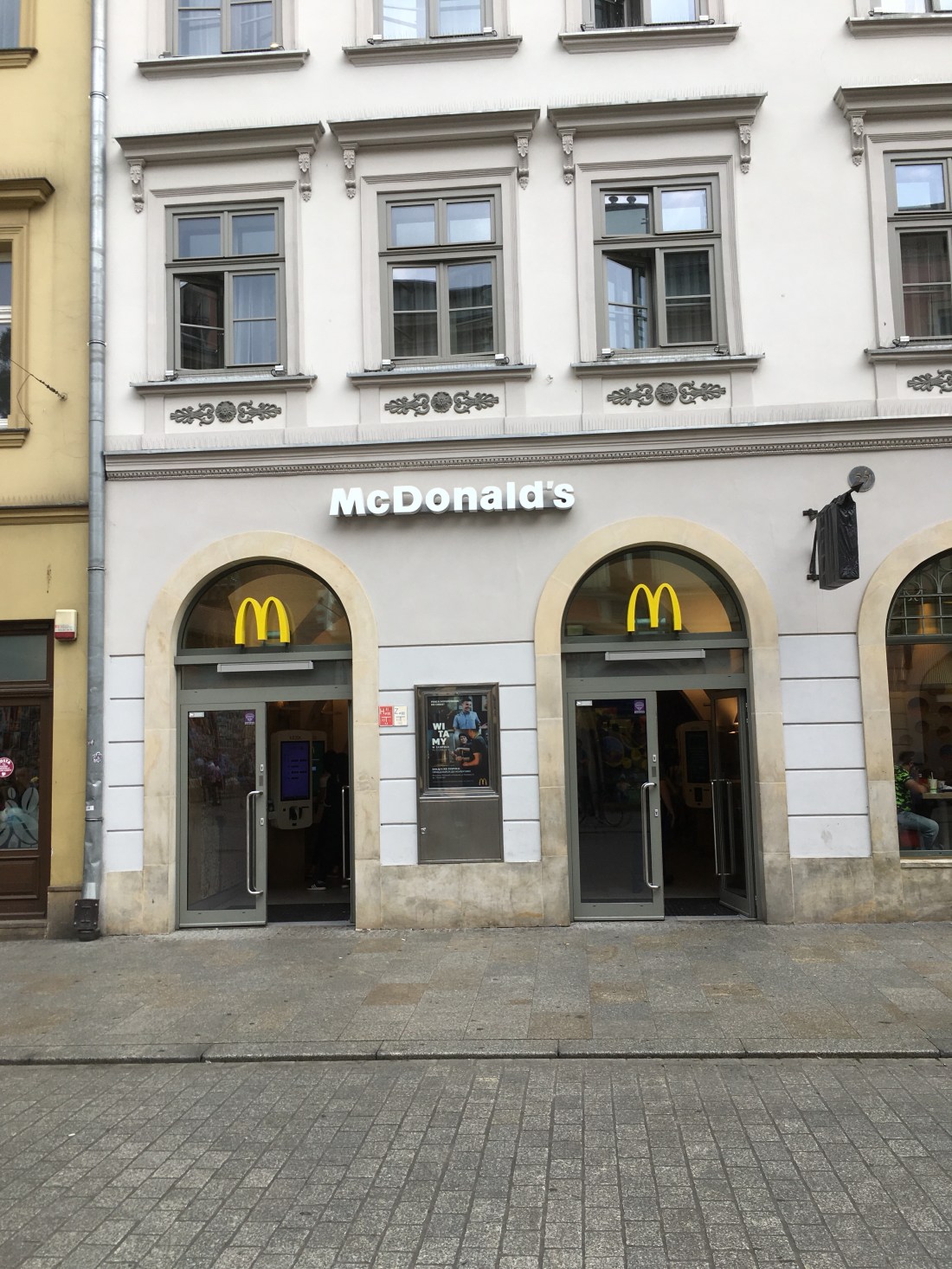
McDonalds

This is the McDonalds that is located just south of Florian’s Gate. This McDonalds opened in 1992 when Poland became a free state. The day it opened the line was a half a mile long to get in and people waited seven hours for a Big Mac. That says something about McDonalds and it says something about the Polish people and their embrace of consumerism after years of communism.
Guided Tour of the Krakow City Center

After lunch we took a three hour guided walking tour of the old city center of Krakow. Our tour guide was great and we learned a lot about Krakow and Poland.

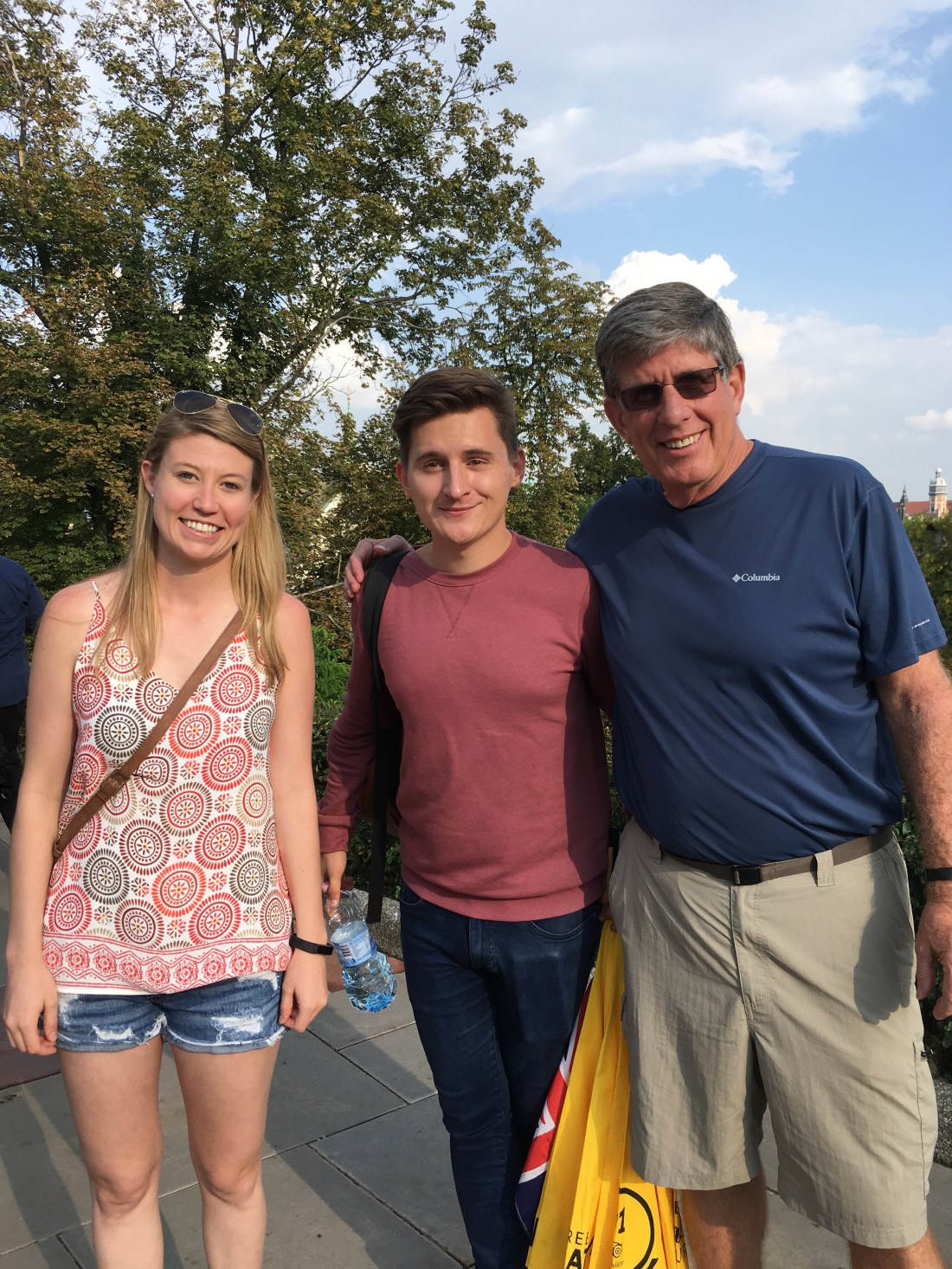
Sara, our tour guide Matt and Mark.

Dinner

Our tour guide recommended a restaurant in the old Jewish quarter called Miodova. We sat outside and had a fabulous meal.

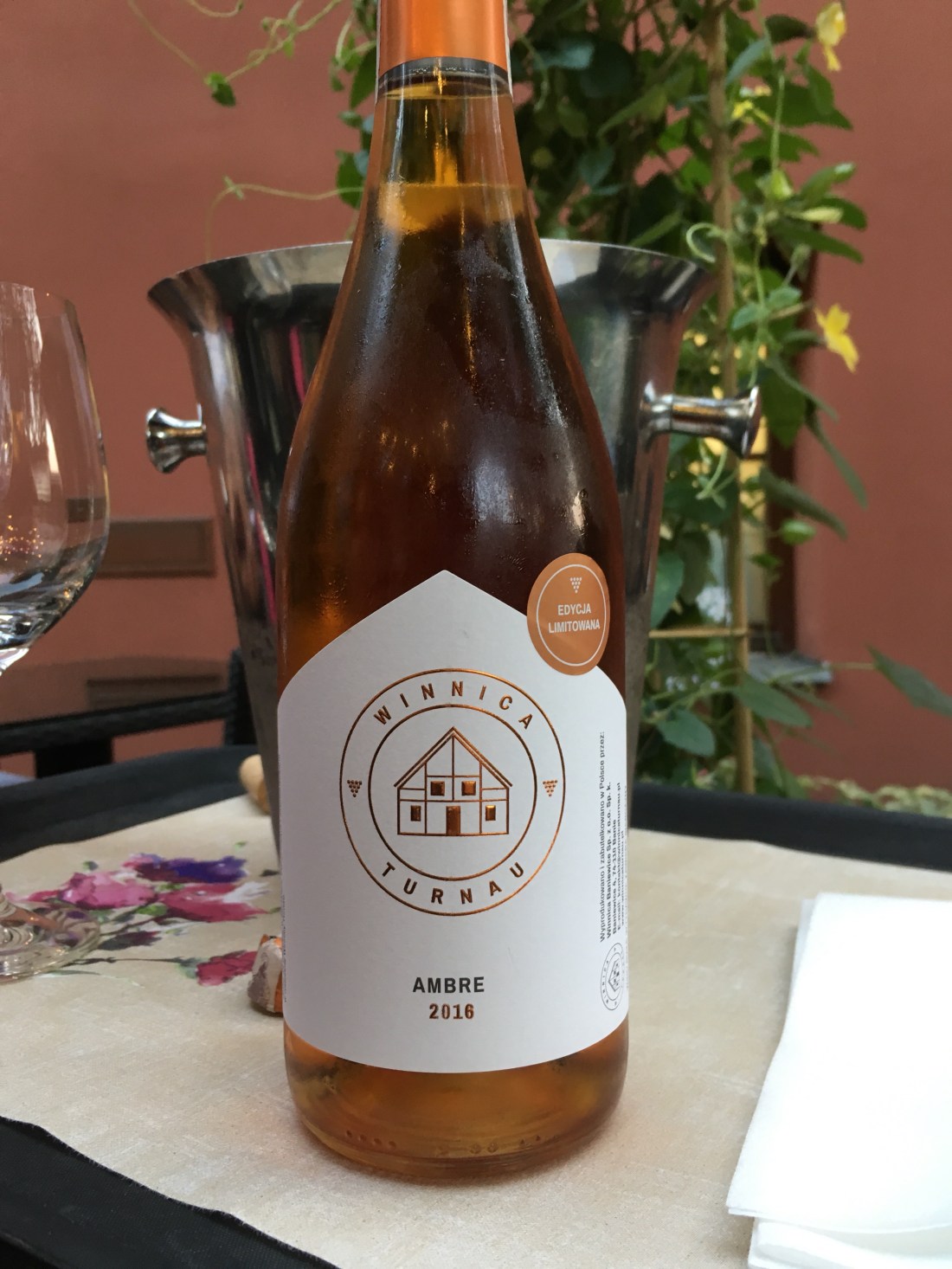
Orange Wine

I have never heard of orange wine but Sara and the waiter both said it is the new thing so we got a bottle. It was a Polish white wine that has some contact with the skins of the grapes after pressing to give it an amber hue. It was ambrosial.

Fish and Steak

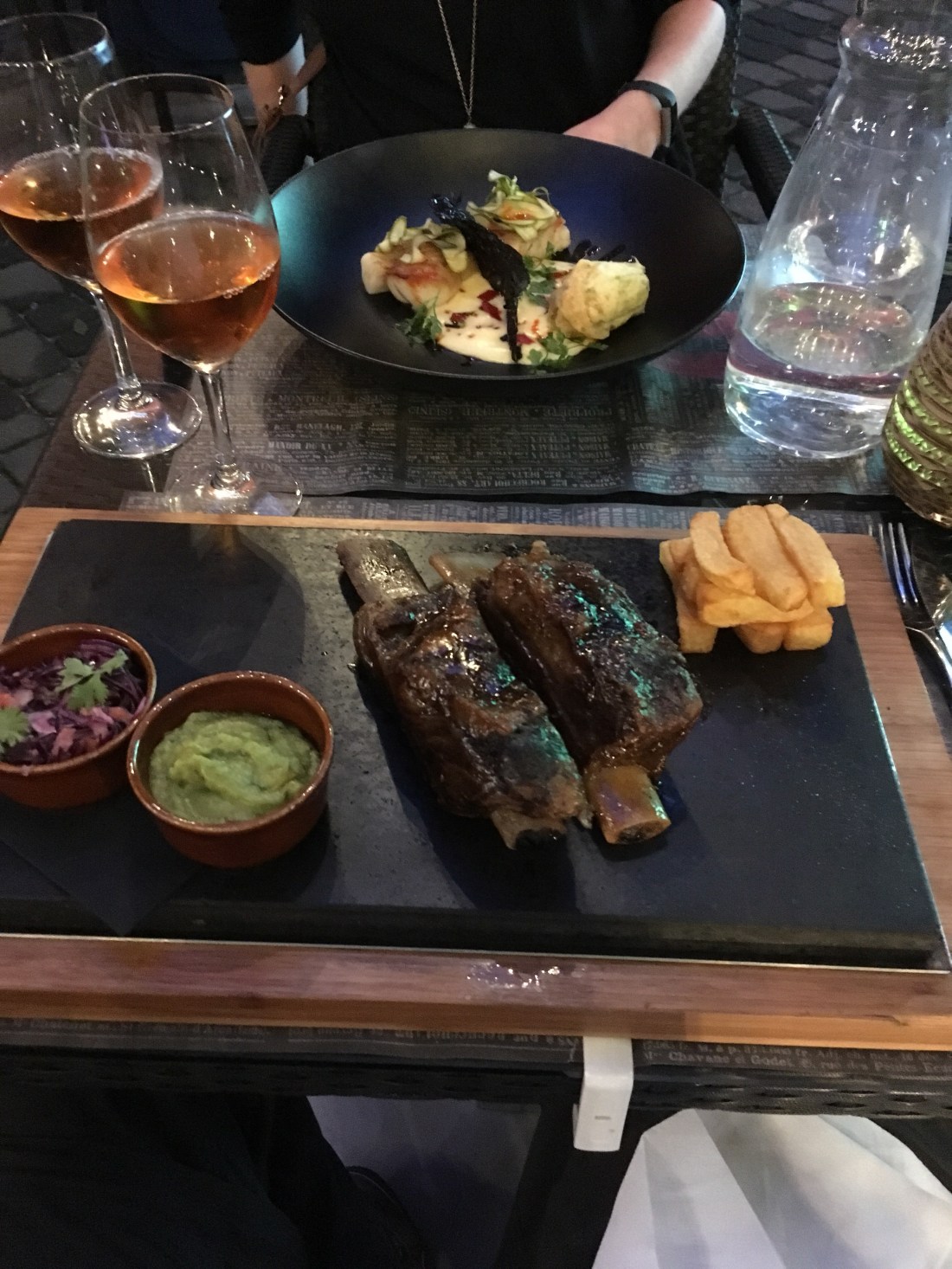
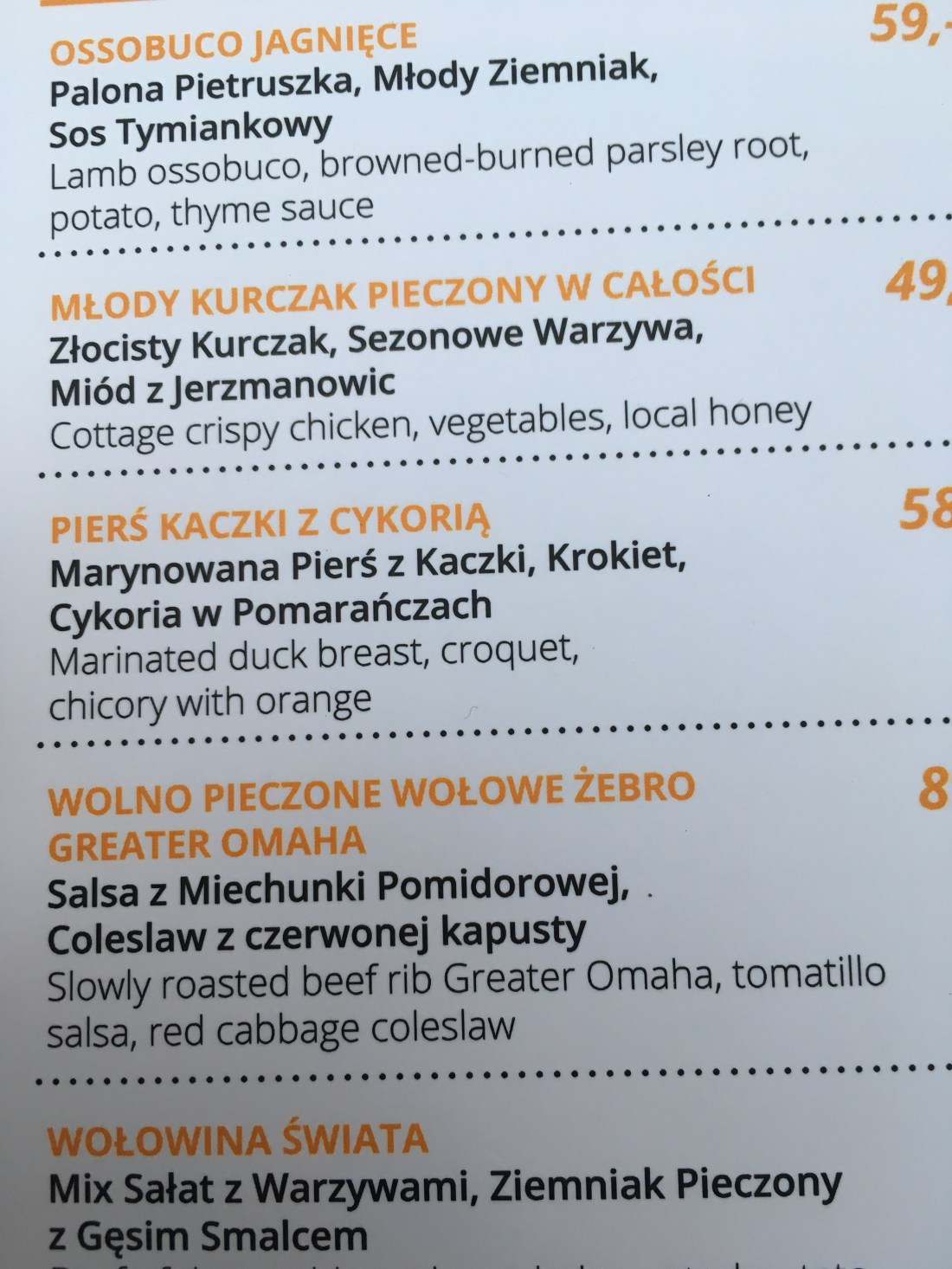
Who would have ever thought that a Polish restaurant would feature Omaha roasted beef ribs. I ordered this and it was delicious. Sara ordered the salmon and after 20 minutes they told us they were out of salmon but recommended the pan fried cod which Sara ordered said was fantastic.

My roasted beef ribs and Sara’s cod. Yum!

Desert

To make up for running out of salmon we each got a free desert.

This was heavenly. White sponge cake with white chocolate and blackberry jam filling covered with milk chocolate and a chocolate and blackberry sauce on the side with a dollop of rose and saffron ice cream.

Like the Krakow Dragon, I am about to explode!

I hope everyone is having a great day.

Goodnight from Krakow.

Fifth and Final Day In Copenhagen

I hope this is not my final day in Copenhagen. I really love this city and this country! The people are so warm and friendly and the city is so clean and beautiful and vibrant.

I think it has a lot to do with hyyge, pronounced, who ga. Hyyge is very important to Danes and is one of the keys to their perennial status as one of the happiest nations in the world.

Hygge is a warm blanket on a cold evening. Hygge is a cup of warm mulled wine. Hygge is having friends and family over for a long evening of food, including frickadilla, those delicious Danish pork meatballs, and smorgasbord sandwiches, and drink, Tuborg beer and of course the Danish National drink, Aquavit. Skol!

The Danes pay very high taxes, over 150% on the purchase price of a car, yikes, but willingly and almost gladly pay these taxes because the Danish government takes care of its people cradle to grave. The Danes think this is a pretty good bargain and it seems to work well for them. I don’t know if it would work in the United States or how it would work, but the Democrats seem to be moving in that direction and perhaps they will take hold of enough of the levers of power in Washington to make this aspirational goal a reality.

I want to thank Annie and Peter for generously answering my questions about life in Denmark and how Danes feel about their country and their lives. They say travel can be an enriching experience if you get to know the people and the country. Thanks to Peter and Annie our visit to Denmark has been a truly enriching experience.

Kronborg Castle

Sara and I got a late start this morning because it was a packing day. After we packed and checked out of the hotel, we had a quick breakfast – coffee, juice and a pastry – and then took a train to Helsingør. Helsingør is about 30 kilometers, about 18 miles, north of Copenhagen. It is on the coast and the Swedish city of Helsingbor is on the other side of a mile wide strait.

We found a great Italian cafe with outdoor tables and had a delicious late lunch. We both had pasta. The menu was in Danish and the waiter only spoke Italian so we don’t know exactly what was in our pasta but it was really good and reasonably priced.

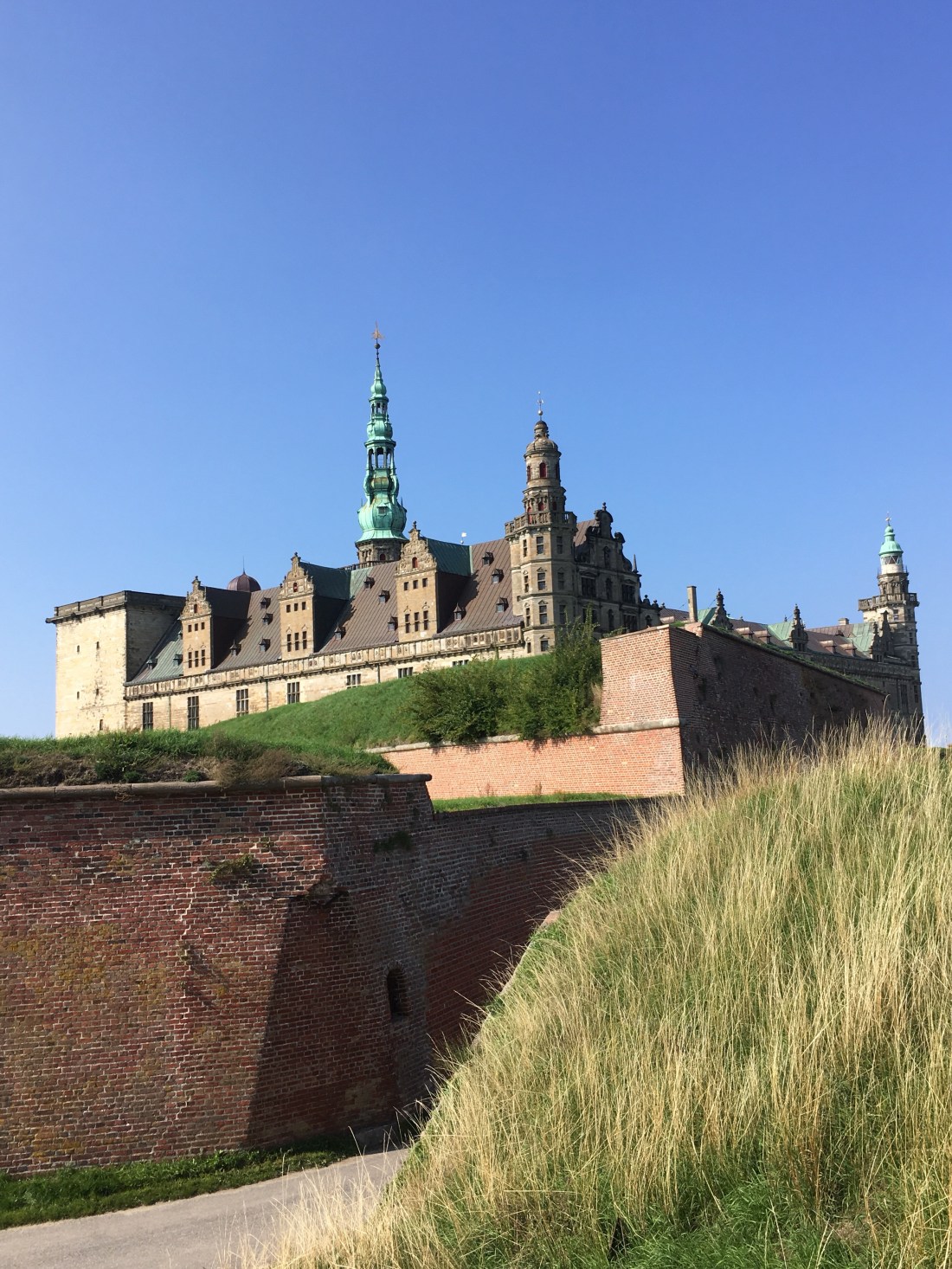
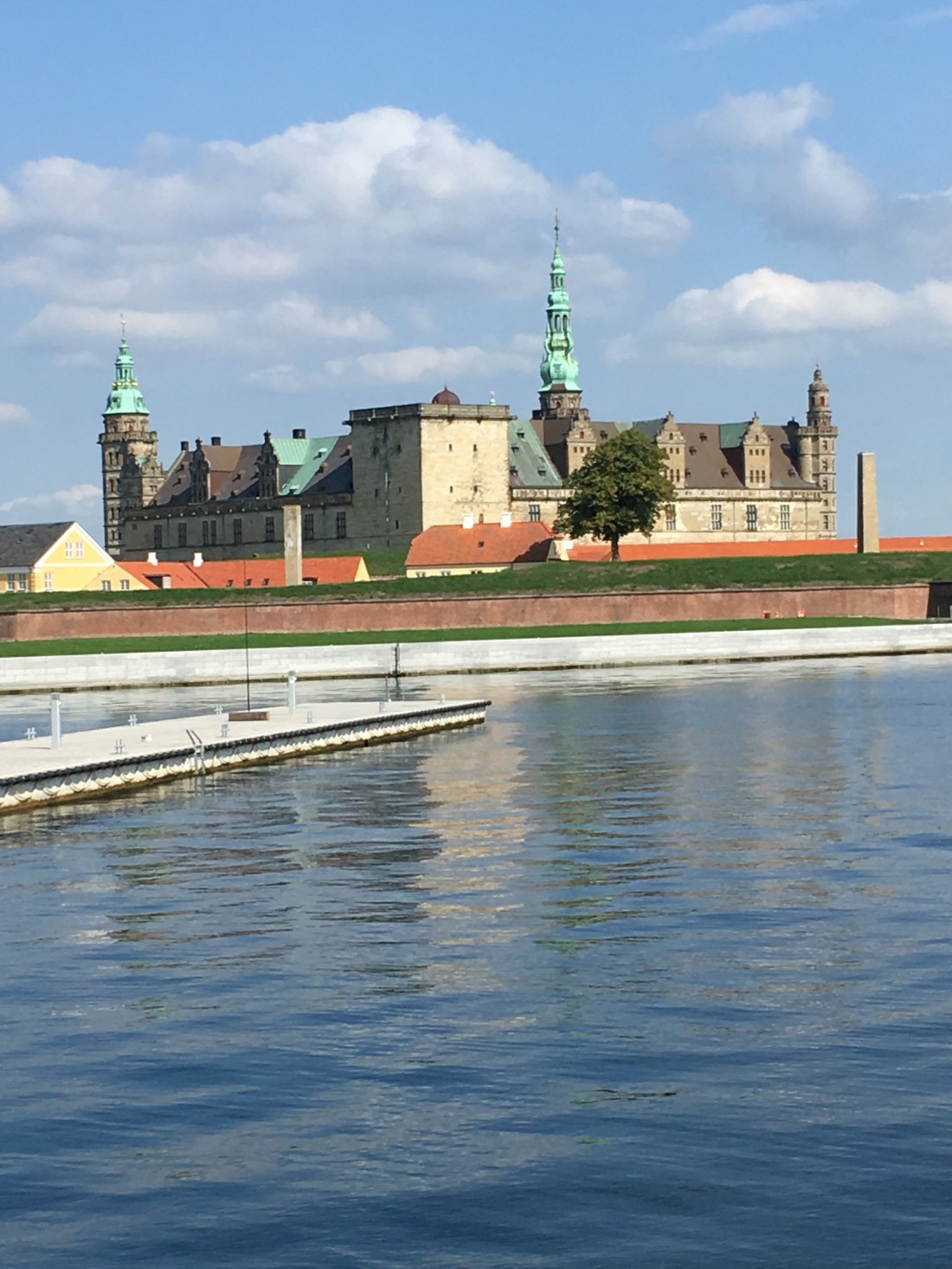
After lunch we walked to the Kronborg Castle. Kronborg Castle is a World Heritage site. This castle is the setting used by Shakespeare for his play, Hamlet. King Frederick II built the castle which was completed in 1585. It was used to enforce customs duties that the Danes imposed in ships entering and leaving the Baltic Sea. If you didn’t pay, the castle’s cannons would sink your ship.

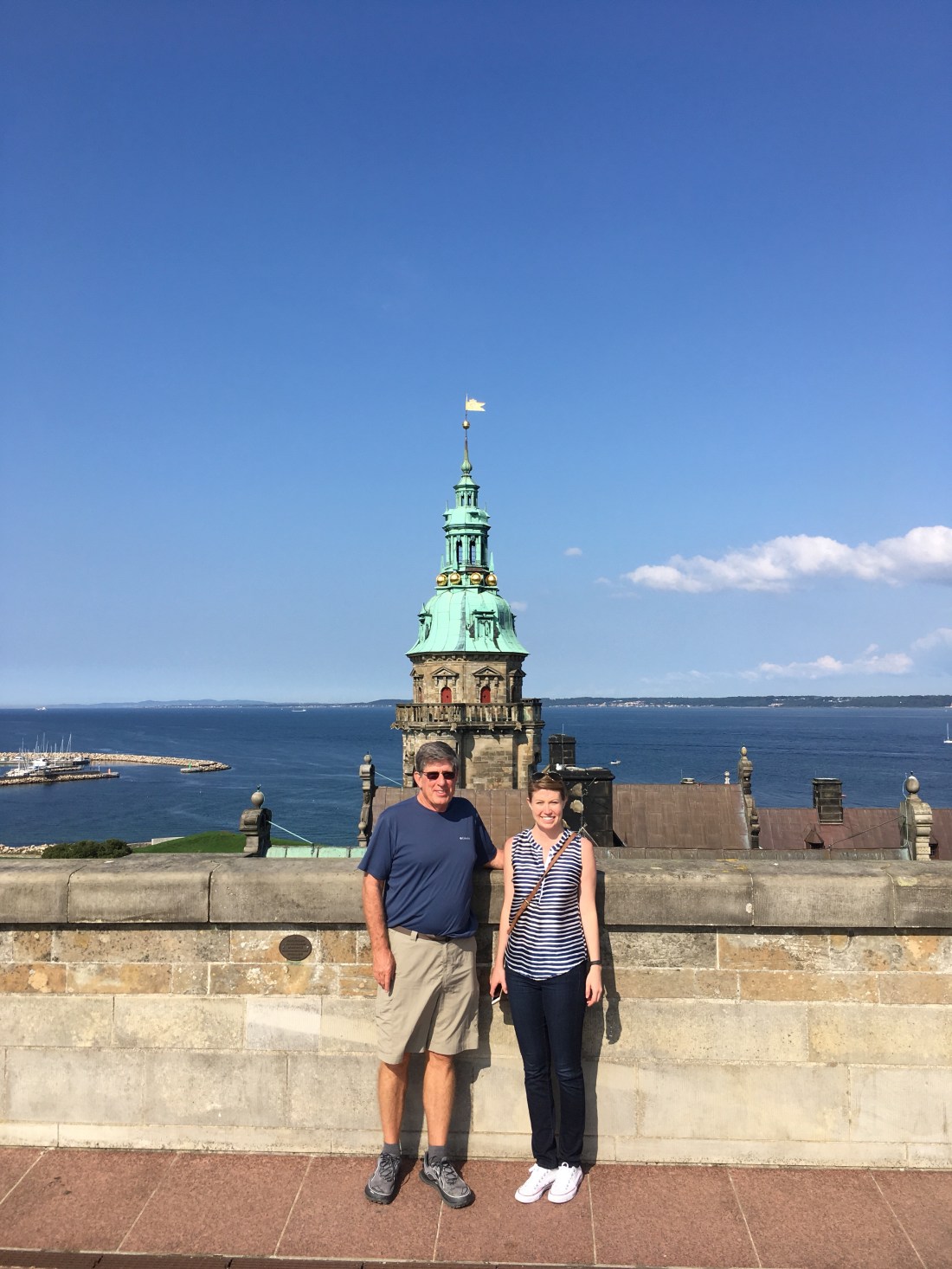
The exterior of the castle is impressive and the interior was somewhat dark and brooding, not unlike Hamlet. As you can see, we had a beautiful day and when we climbed the stairs to the top of one of the towers we were rewarded with a breathtaking view for miles in any direction.

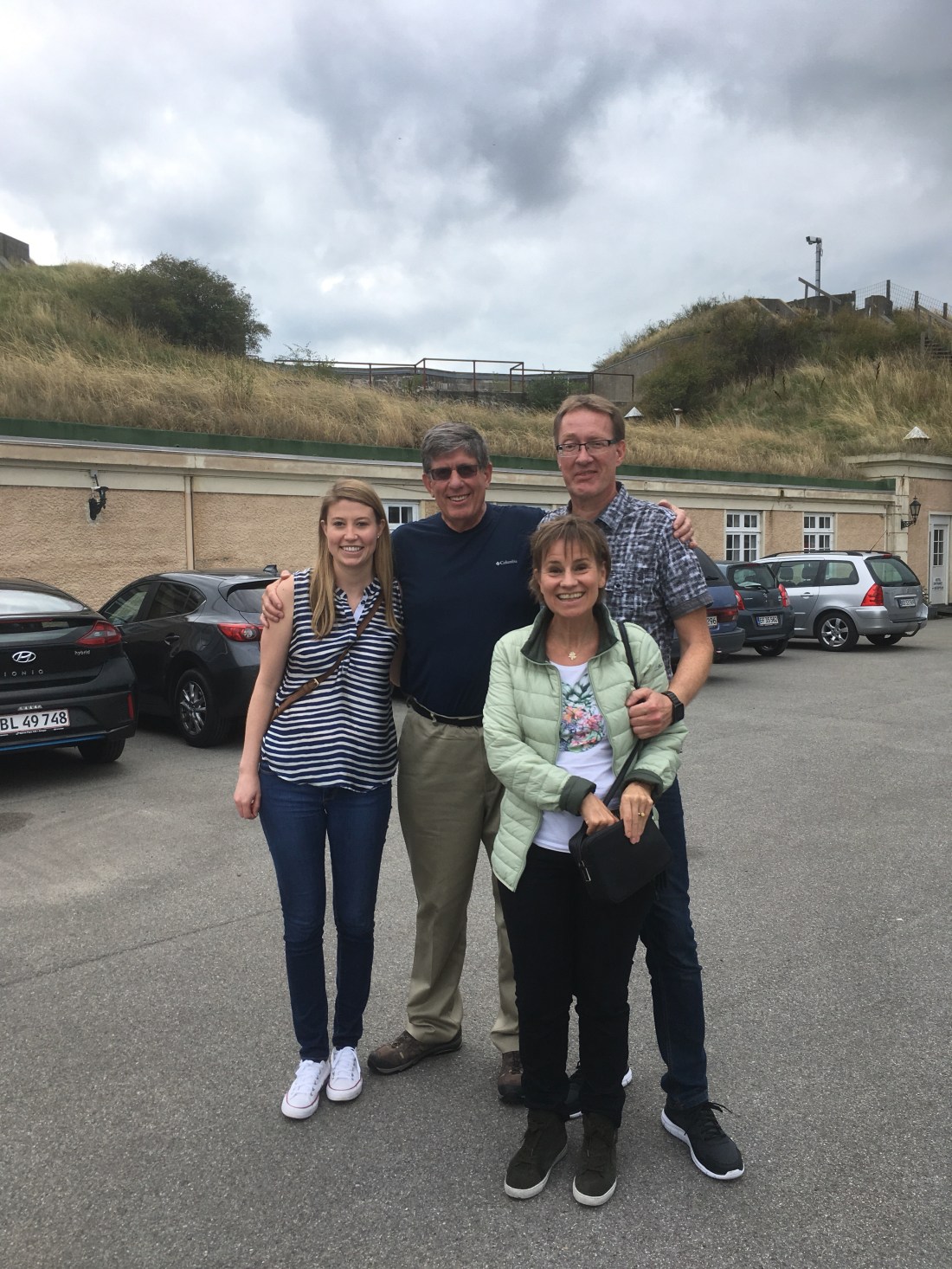
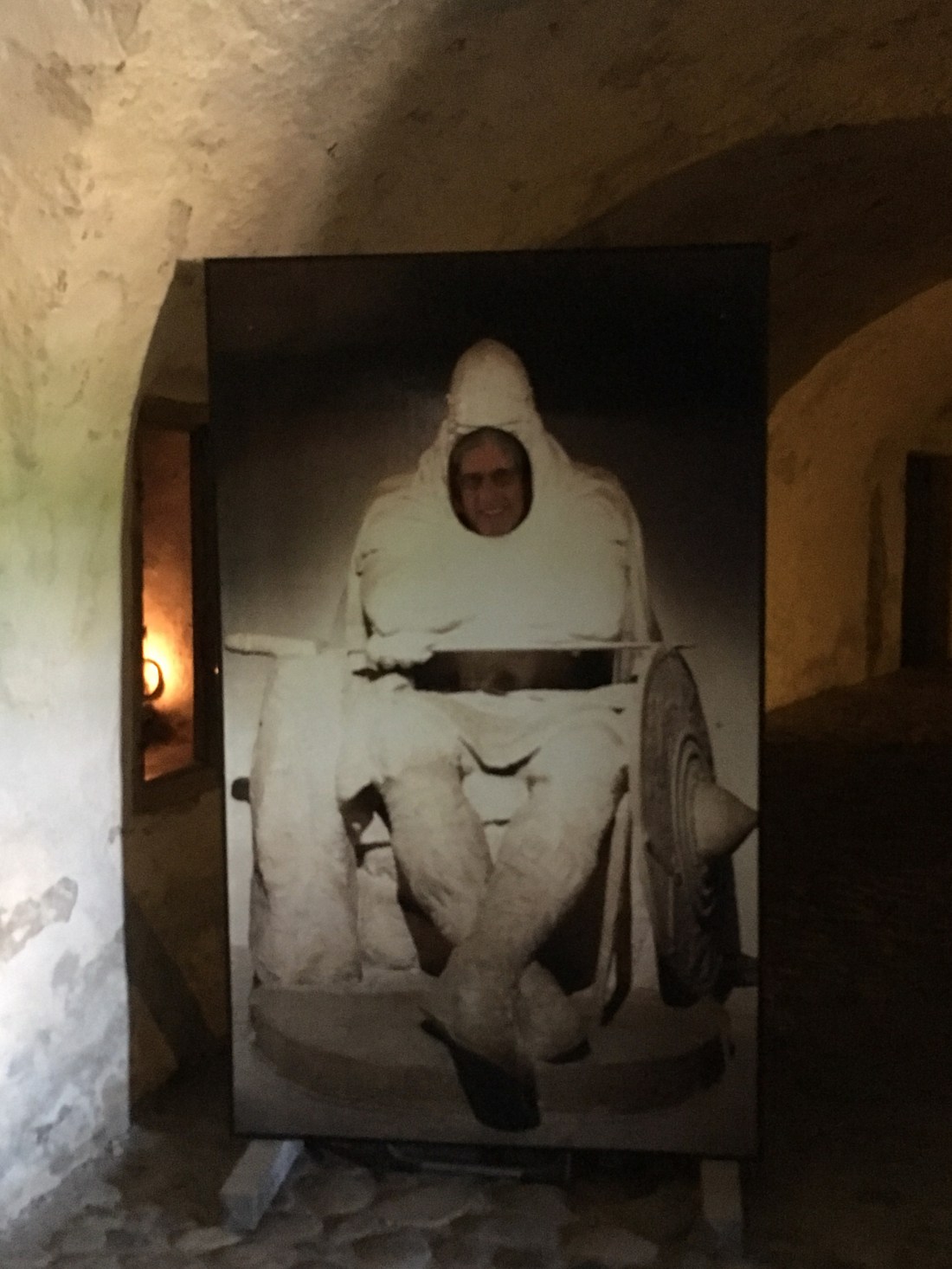
There is a legend that a Viking giant, Holger Danske, sleeps under the castle. This giant will arise when Denmark is at its hour of greatest need. Of course I dragged Sara into the bowels of the castle and we found the giant Viking. These photo opportunity cutouts are everywhere.

We have arrived in Krakow and are excited to explore this jewel of Poland. Did you know that there are more people of Polish descent in Chicago than there are in Warsaw?

I hope everyone is having a good day.

Goodnight from Krakow.

Fourth Day in Copenhagen, Cont.

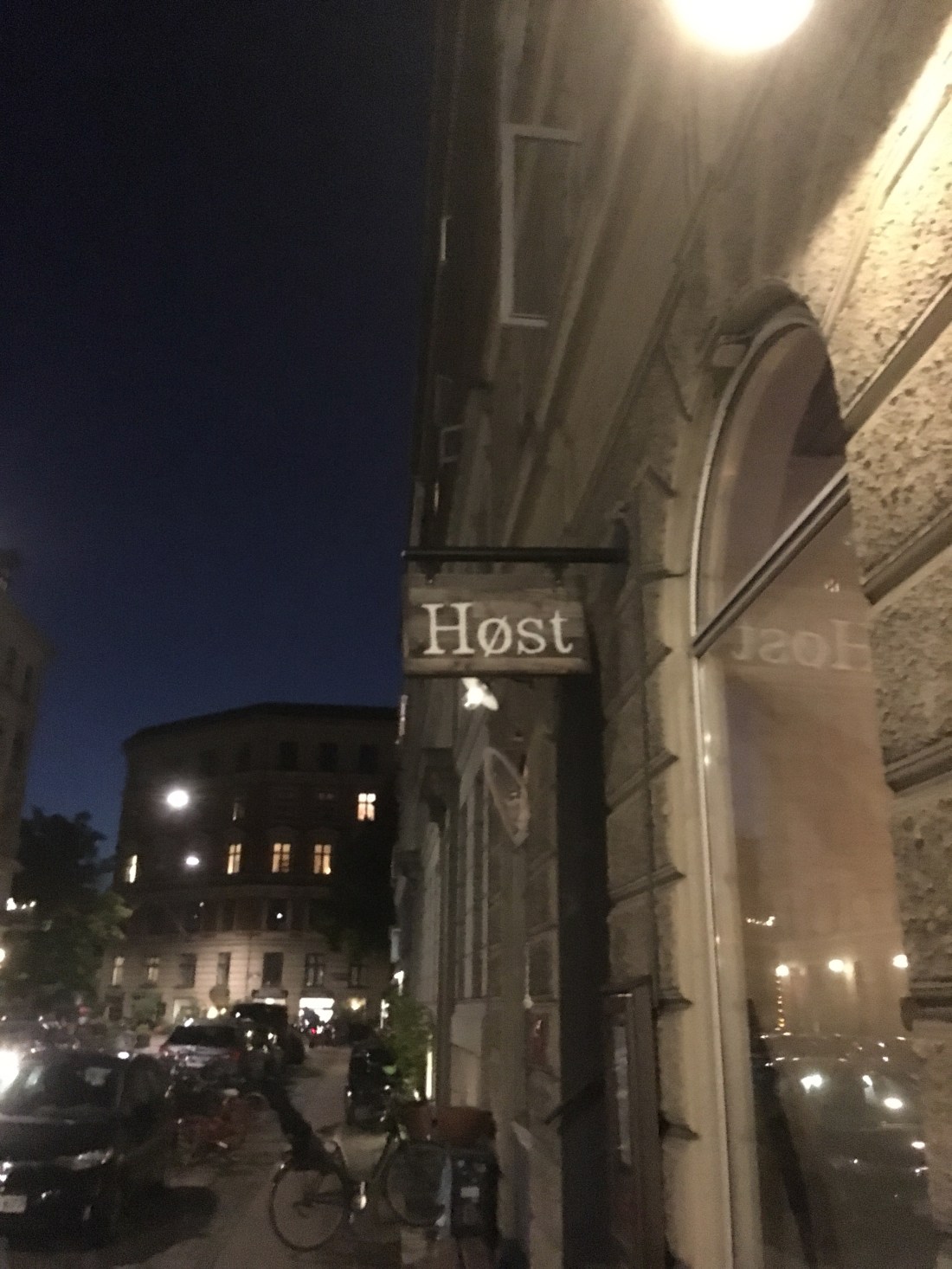
This is the restaurant where Sara and I had dinner tonight. It was one of the best meals I have ever had. It was a five course tasting menu with a wine pairing for each course, and a surprise beer pairing, a Japanese orange infused Pilsner, and two surprise courses. We had oysters, halibut, tenderloin, chicken, crab and two desserts. I can’t even begin to describe how good this meal was!!

Tomorrow we spend the day in and around Copenhagen and then tomorrow evening we fly to Krakow.

Fourth Day In Copenhagen

Today Sara and I decided to explore a few of the neighborhoods surrounding the Copenhagen City Center.

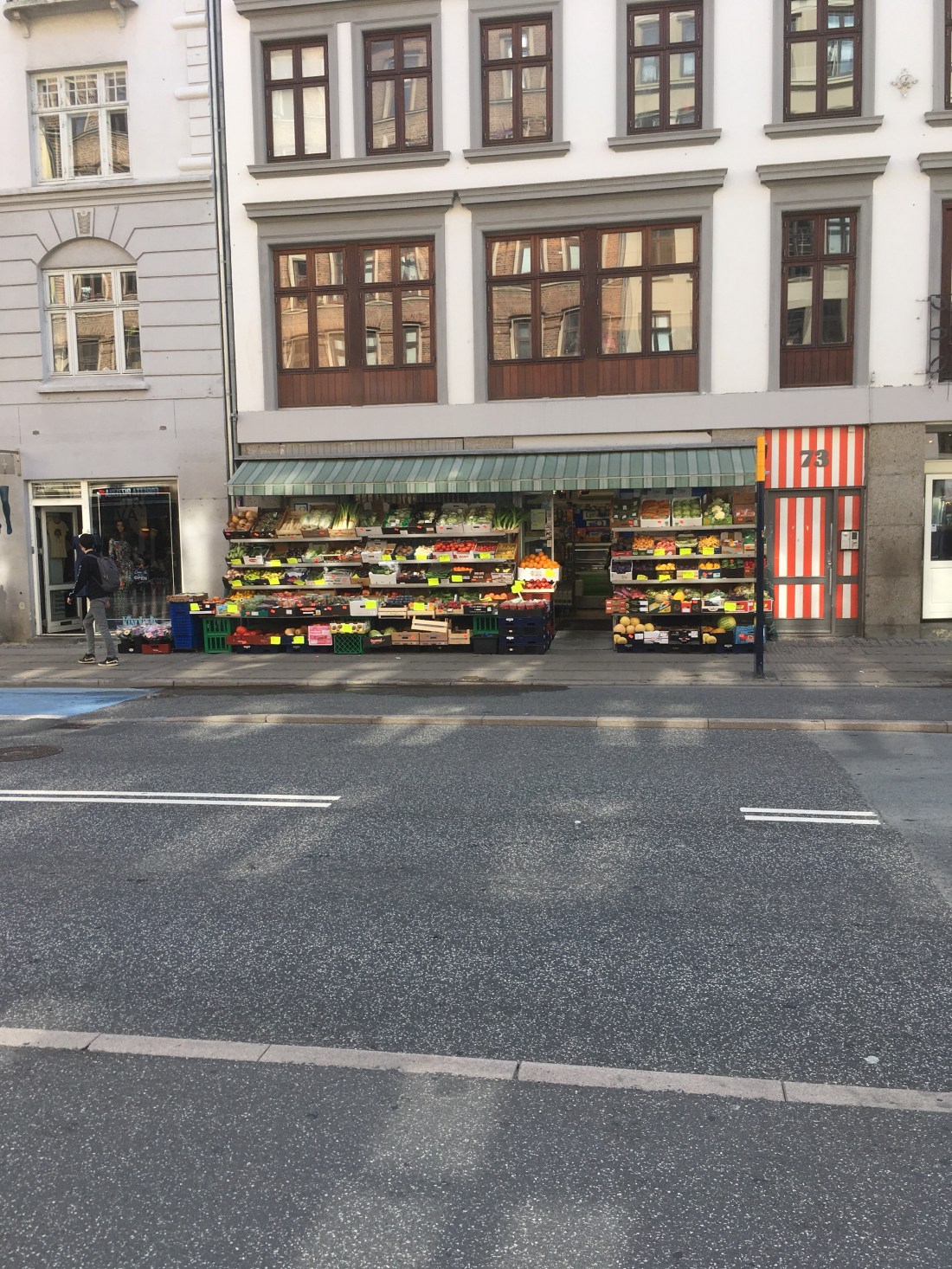
We walked to the Vesterbro neighborhood and had eggs Benedict at a sidewalk cafe. What fun to eat a delicious breakfast and drink coffee and orange juice while we watched the neighborhood wake and start it’s day.

Vegetable market in the Vesterbro neighborhood.

After we explored the Vesterbro neighborhood we decided to taxi to Norrebro for lunch. We walked around exploring this neighborhood and looking for the perfect place for lunch. By happenstance we wound up walking through a beautiful cemetery where Hans Christian Anderson is buried. The cemeteries in Copenhagen are really like parks with some graves but a lot of trees and quiet places to sit and contemplate life and death. On the other side of the park we found an organic cafe where we had a glass of cool crisp white wine and a delicious chicken salad plate.

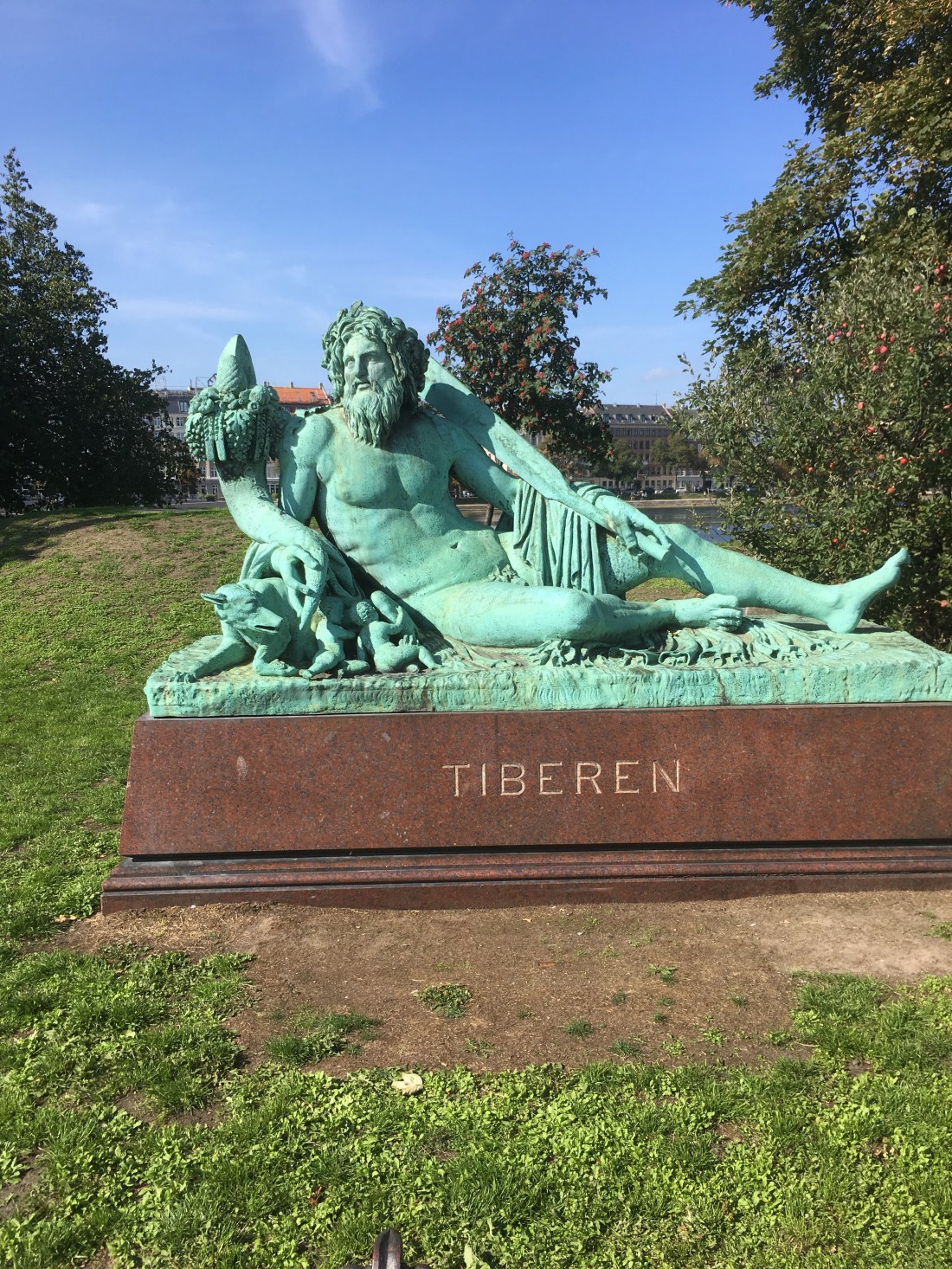
On our way back we walked over a bridge that spans one of the lakes that separates the old city center from some of the newer neighborhoods. This old gentleman was guarding the entrance to the bridge.

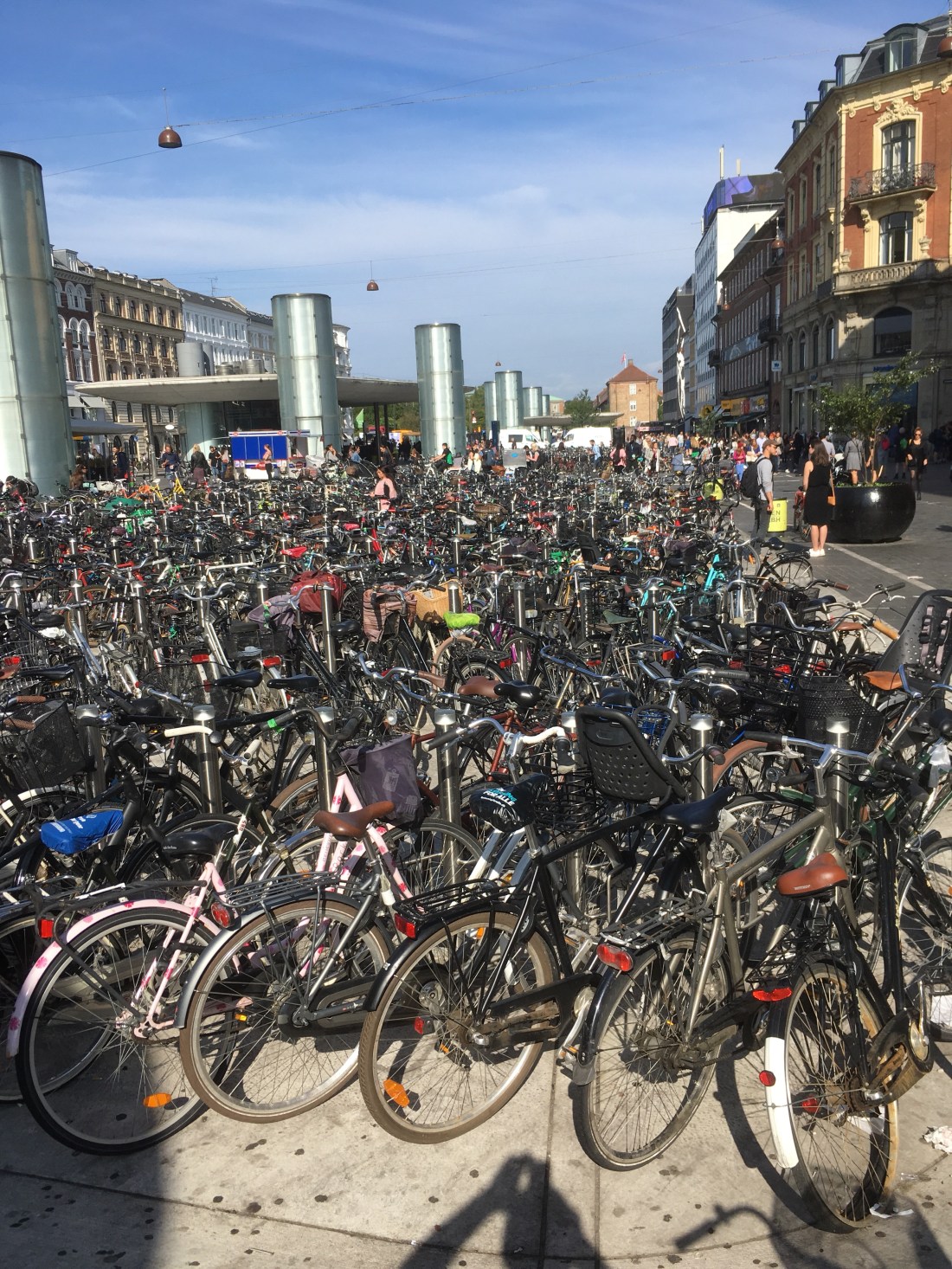
The number of bicycles here is beyond belief. There are more bicycles than cars in Copenhagen. Fifty percent of the people who live in Copenhagen use a bicycle as their primary means of transportation. All the streets have dedicated bike lanes. Some of the bike riders can get a little aggressive. This is called Viking Biking.

This is one of the three bike parking corrals at the train station near our hotel.

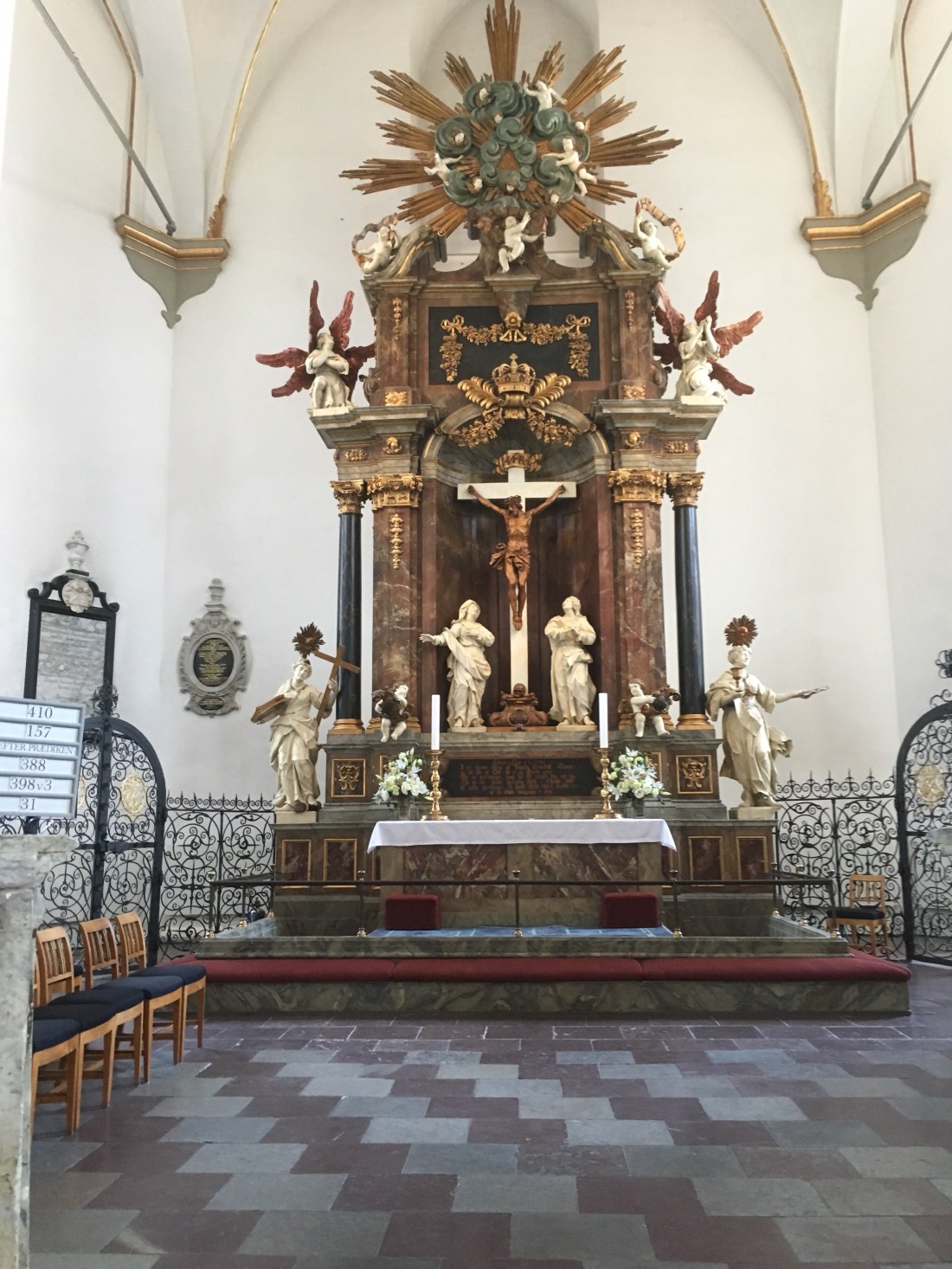
About two blocks from our hotel is the Trinity Lutheran Church. We went inside and sat for a while listening to a master musician play the pipe organ.

Altar at the Trinity Lutheran Church

Tonight we are going to a restaurant where they have a tasting dinner with wine pairings. It should be interesting and I hope delicious.

See you all tomorrow.